 Historical Figure MBTI
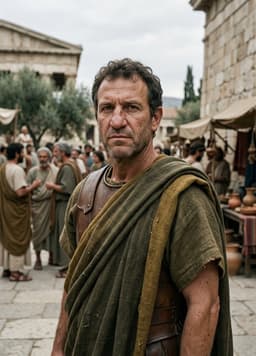
Ancient Athens
~470 – 320 BCE
Socrates, Plato, Aristotle and their circles — plus the Syracuse cluster connected through Platonic visits.
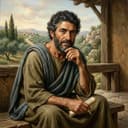
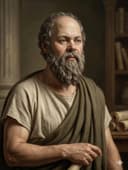
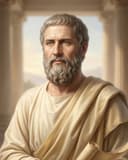
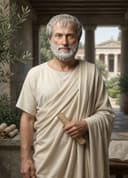
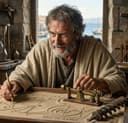
The great age of Western philosophy unfolded in a single city, over roughly seventy years, among a surprisingly small number of people who kept arguing with each other. Socrates wandered the agora barefoot, asking questions he already knew were dangerous. Plato turned those conversations into literature that has never gone out of print. Aristotle took Plato's ideas apart and rebuilt them into a system that would govern Western thought for two thousand years. All of philosophy since has been, in some sense, a footnote to what happened in this one city.
The story extends to Syracuse, where Plato made three ill-fated trips to turn a tyrant's court into a philosopher's republic — and nearly got sold into slavery for his trouble. The figures here are connected not just by geography but by argument: every one of them was responding to everyone else.
43 figures · sorted by birth year
Anaxagoras
notableINTJ · b. 500 BCE
The philosopher Pericles called his mentor
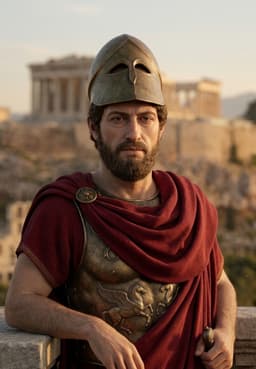
Pericles
renownENTJ · b. 495 BCE
Statesman, general, and architect of Athens’ Golden Age.
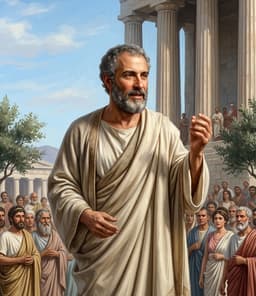
Gorgias
notableENTP · b. 483 BCE
Sophist, rhetorician, and master of persuasive language.
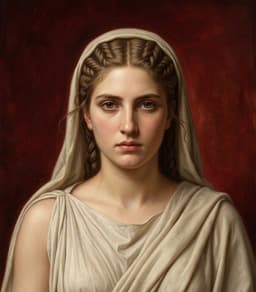
Aspasia
notableENTJ · b. 470 BCE
She did not build the system. She moved the people who did.
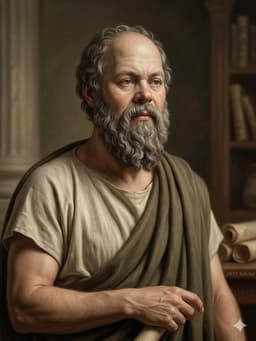
Socrates
iconicINTP · b. 470 BCE
He left no answers behind. Only better questions.
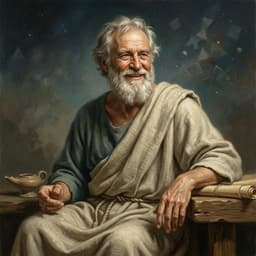
Democritus
renownINTP · b. 460 BCE
The one who saw atoms in the void — and laughed.
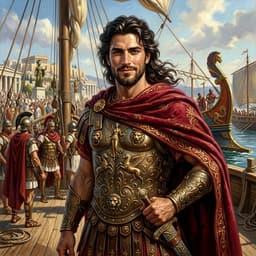
Alcibiades
notableESTP · b. 450 BCE
The architect of ambition — and its ruins.
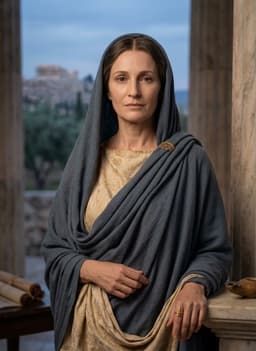
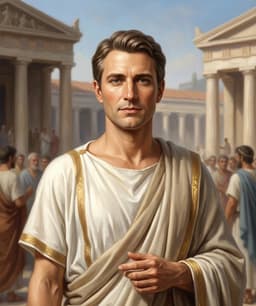
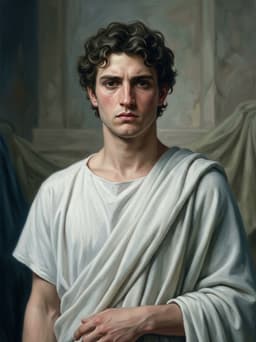
Meletus
ISFJ · b. 450 BCE
Poet and formal accuser in the trial of Socrates.
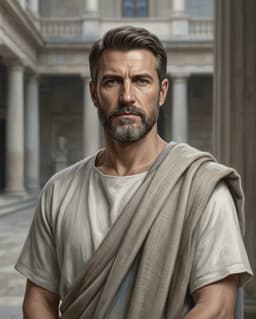
Anytus
ESTJ · b. 450 BCE
Athenian statesman and principal accuser in the trial of Socrates.
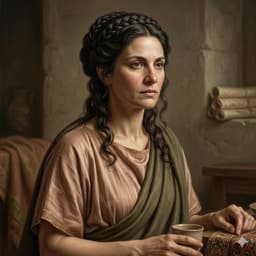
Xanthippe
notableESTJ · b. 450 BCE
History remembered the philosopher. It only echoed the woman beside him.
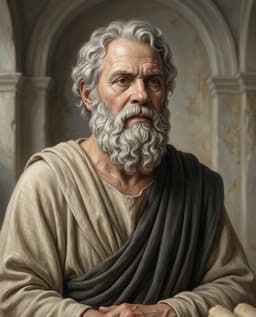
Antisthenes
notableISTJ · b. 446 BCE
Socrates's disciple who started Cynic philosophy — the one Diogenes built on
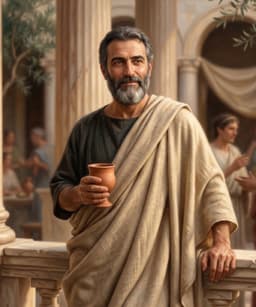
Aristippus of Cyrene
notableESTP · b. 435 BCE
Socrates's student who decided philosophy should be about pleasure
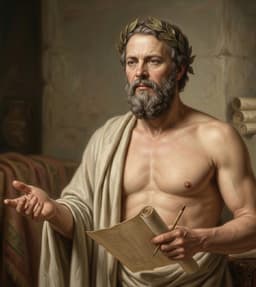
Xenophon
notableESFJ · b. 430 BCE
Not the philosopher. Not the architect. The one who brought them home.
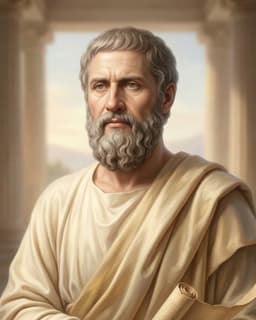
Plato
iconicINFJ · b. 427 BCE
Philosopher, founder of the Academy, and visionary of ideal forms.
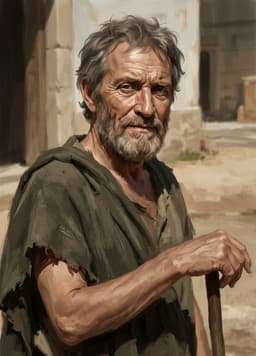
Diogenes of Sinope
renownESTP · b. 412 BCE
Cynic philosopher and radical practitioner of lived freedom.
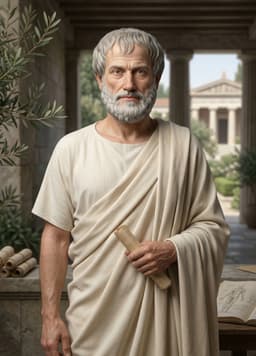
Aristotle
iconicINTJ · b. 384 BCE
Plato's most famous student — the one who disagreed with everything
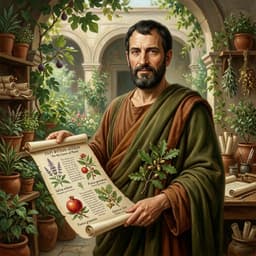
Theophrastus
notableENFJ · b. 371 BCE
The botanist who mapped the world of plants.
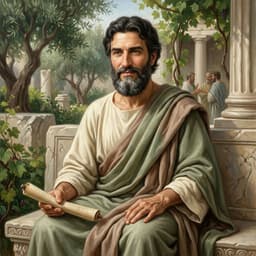
Epicurus
renownINFP · b. 341 BCE
The philosopher of the garden — peace, not pleasure.
Hermias of Atarneus
notableENTJ
The ruler who invited philosophy to the throne.
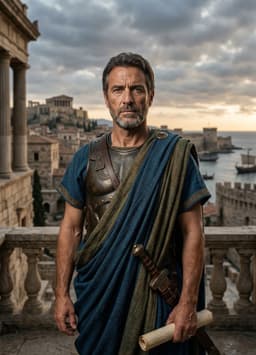
Dion of Syracuse
notableINTJ
Plato's student who tried to turn a tyrant's court into a republic — and died for it
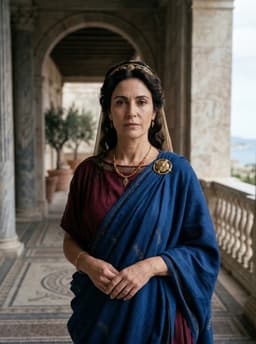
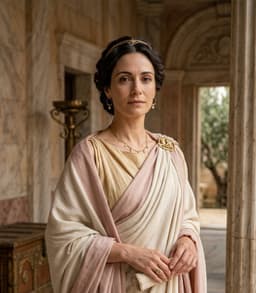
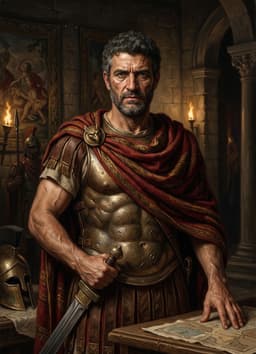
Dionysius I of Syracuse
notableENTJ
The tyrant of Syracuse who invited Plato to his court — twice
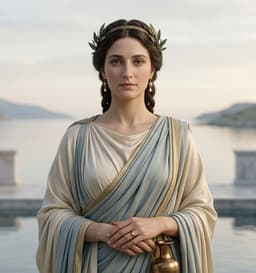
Sophrosyne
ISFJ
The ancient Greek ideal of moderation, self-control, and the alignment of desires with order.
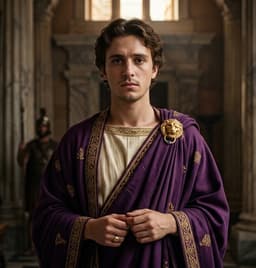
Dionysius II of Syracuse
notableENFP
Tyrant of Syracuse whose attempts to become a philosopher-king under Plato's guidance led to political instability.
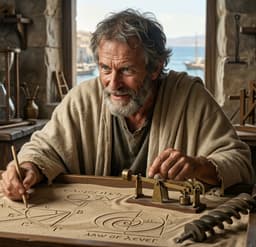
Archimedes
iconicINTP
The genius who yelled 'Eureka!' — and the math actually checked out
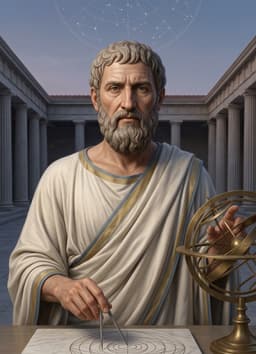
Eudoxus of Cnidus
notableINTP
The mathematician who mapped the planetary orbits before telescopes existed
Xenocrates
notableISTJ
The man Plato trusted to run his Academy — the one nobody remembers
Speusippus
notableINTP
Plato's nephew — inherited the Academy when Plato died

Sign up for monthly insights
Monthly insights into history's most influential figures — examined through psychology, context, and cognitive pattern. Less stereotype, more structure. History, but with a mind map.
Powered by Buttondown