 Historical Figure MBTI
5 min read
#173 · 3-19-26 · Ancient Athens
Pericles
Statesman, General, and Architect of Athens’ Golden Age
c. 495 — 429 BCE
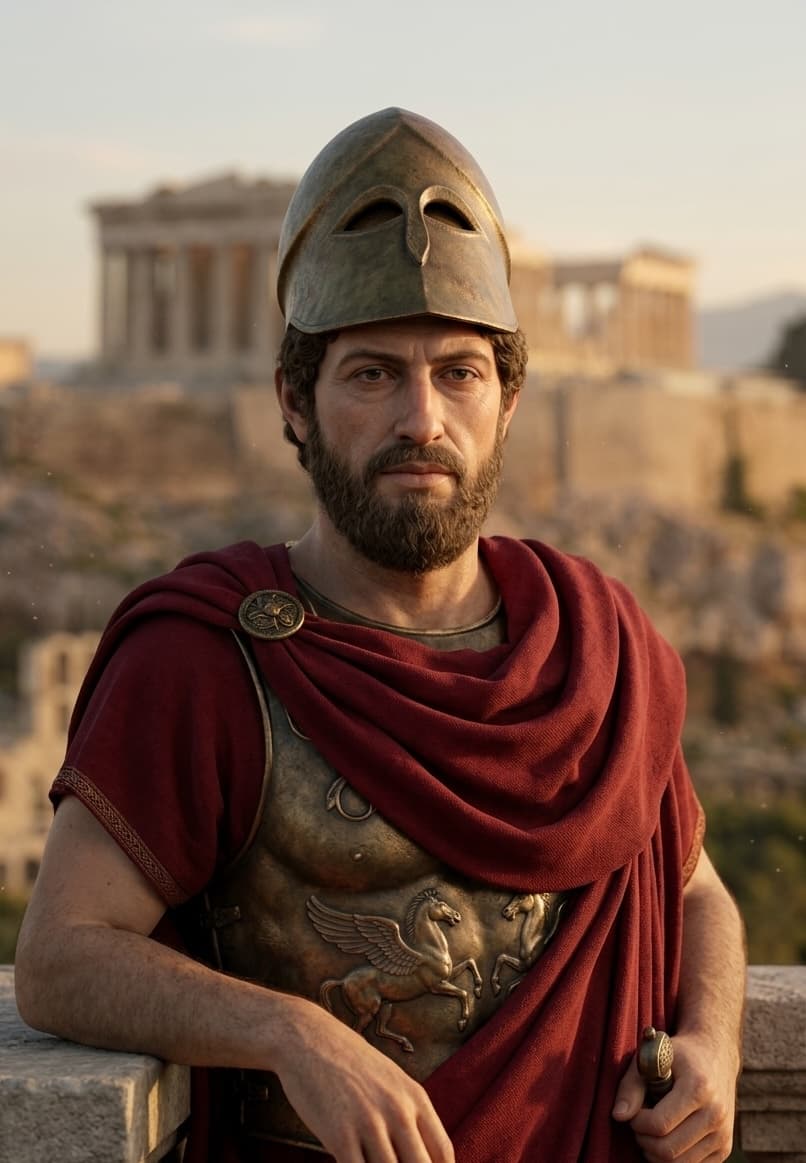
AI-assisted portrait of Pericles
The Man Who Became the City
Athens did not simply flourish under Pericles—it took on his shape.
He emerged not as a sudden conqueror, but as a steady presence within the city’s political life, gradually consolidating influence through persuasion, vision, and control of direction. While others reacted to events, Pericles seemed to set their trajectory. His speeches did not merely inspire; they aligned. His policies did not merely respond; they organized.
Under him, Athens became more democratic, more culturally radiant, and more ambitious. Public funds flowed into architecture, art, and civic identity—transforming the city into something almost symbolic of itself. The Parthenon was not just a building. It was a statement.
And behind that statement was a man who understood something fundamental: that power is not just held—it is shaped, directed, and made visible.
The Psychological Verdict
Pericles does not read as a man of scattered curiosity or quiet contemplation. He reads as someone who sees direction—and then moves people toward it.
There is an unmistakable forward-driving quality to him. His leadership was not rooted in tradition or preservation, but in expansion and execution. He understood systems—political, social, cultural—and knew how to work them, not merely observe them.
Even his famed restraint in public demeanor—his calm, almost untouchable composure—was not passivity. It was control. He spoke less than others, but when he did, it carried weight. Not because it was emotional, but because it was decisive.
He wasn’t trying to be liked. He was trying to lead the outcome.
Te — Dominant
Pericles’ defining trait is his ability to organize reality toward a goal. He directed Athens’ resources into long-term civic projects, structured democracy in ways that increased participation while stabilizing control, and used institutions, alliances, and public works as tools of influence.
This is not abstract theorizing—it is execution at scale. Te, at its highest, doesn’t just manage systems. It builds them to move people collectively. And Pericles did exactly that.
Ni — Auxiliary
Behind his execution was a clear, sustained vision of what Athens could become. He did not act randomly or opportunistically. His leadership had continuity, direction, and a sense of unfolding purpose—elevating Athens culturally, strengthening its identity, and positioning it as the center of the Greek world.
This reflects Ni not as mysticism, but as a quiet, internal certainty about the trajectory of things. He saw Athens not just as it was—but as it should be. And then he made that vision real.
Se — Tertiary
Pericles also demonstrates a grounded awareness of timing, presence, and political reality. He navigated shifting public opinion, maintained influence over assemblies, and responded to external threats with strategic clarity.
There is a responsiveness here—an ability to operate within the moment without losing direction. Not impulsive. But situationally aware and effective.
Fi — Inferior
His personal emotional world is largely contained, even distant. He was often described as reserved, controlled, and difficult to read.
This suggests not a lack of values, but a private relationship to them. His motivations were not performative. They were internal—and often subordinated to larger goals. When Fi appears here, it does so as a quiet, unspoken conviction—rarely expressed, but deeply held.
Analysis
Why not ENFJ?
While Pericles was an exceptional orator, his leadership does not appear rooted in emotional attunement or relational harmony. ENFJs lead through emotional connection and social cohesion. Pericles, instead, led through structure, policy, and strategic direction. His speeches moved people—but not through warmth. Through clarity and conviction.
Closing
Pericles did not simply guide Athens. He gave it form—a city aligned with vision, sustained by structure, and remembered as an ideal. Not because it happened. But because he made it happen.
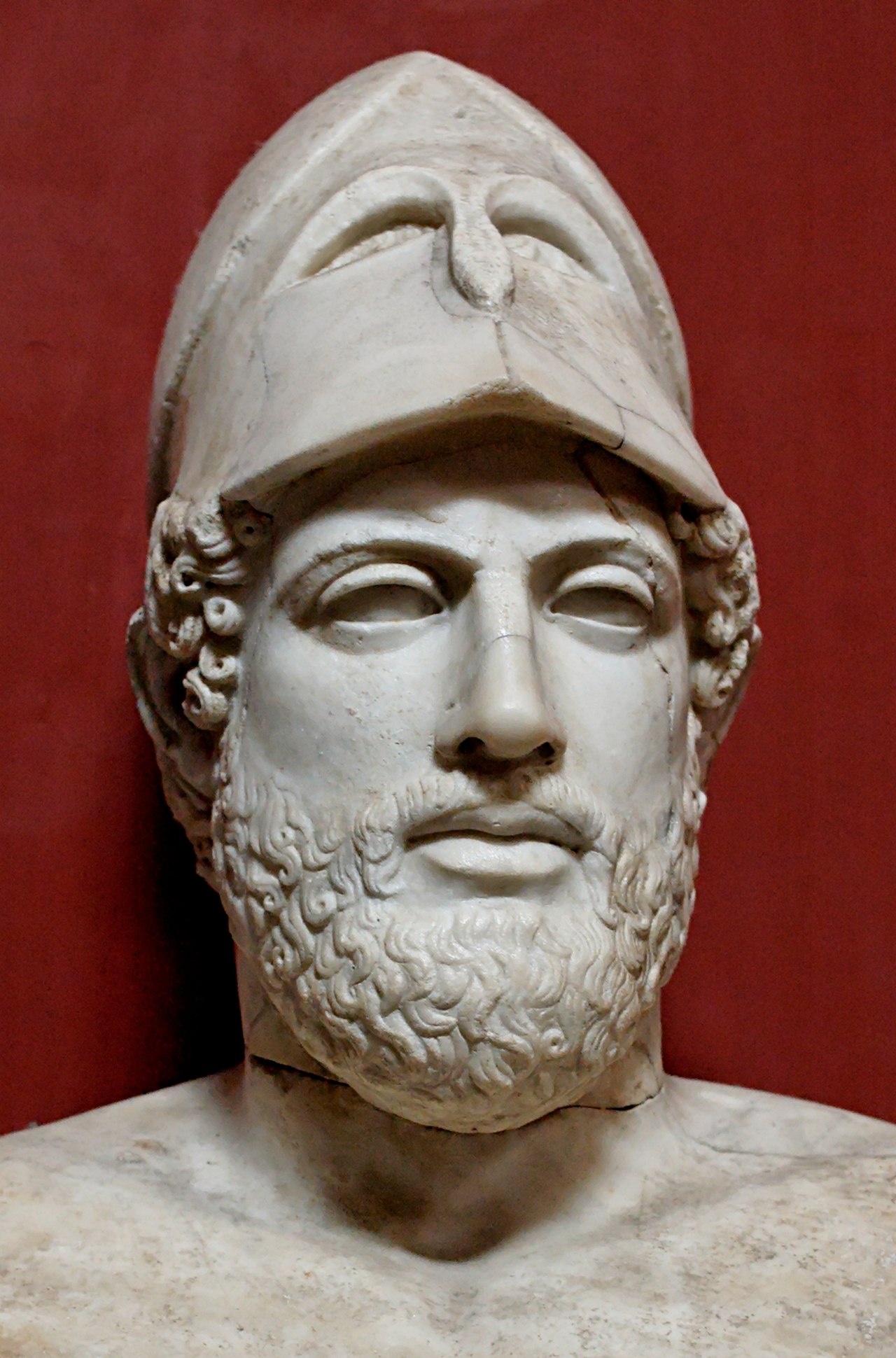
Connected Figures
Further Reading
- Pericles of Athens and the Birth of Democracy — Donald KaganThe definitive modern biography — traces his rise, policies, and the war that ended his era.
- The Peloponnesian War — Donald KaganComprehensive account of the conflict Pericles initiated and the Athens he left behind.
- Plutarch's Lives: Pericles — Plutarch (trans. Ian Scott-Kilvert)The ancient source closest to a biography — vivid, opinionated, and indispensable.
- The Greek Achievement — Charles FreemanPlaces Periclean Athens within the full sweep of Greek civilization and culture.
