 Historical Figure MBTI
Why Some Figures Go Untyped
Not every historical figure can be read through a cognitive lens with any confidence.
MBTI typing depends on a substantial record — letters, testimony, decisions under pressure, relationships over time. When that record is too thin, too mediated, or too fragmentary, assigning a type does more harm than good. It replaces a genuine historical mystery with a false sense of certainty.
Some figures are untyped because the historical record is sparse: we know what they did but almost nothing about how they thought or felt. Others leave behind enough evidence to be fascinating, but not enough to distinguish reliably between types. A few are untyped because their lives were so thoroughly shaped by others — owners, institutions, silence imposed from outside — that the personality signal is buried beneath circumstance.
Calling someone Untyped is not a dismissal. It's an acknowledgment that the essay can still be worth writing — that the life still matters — without pretending to a psychological verdict the evidence doesn't support. The absence of a label is itself a kind of honesty about the limits of what we can know.
Untyped Figures
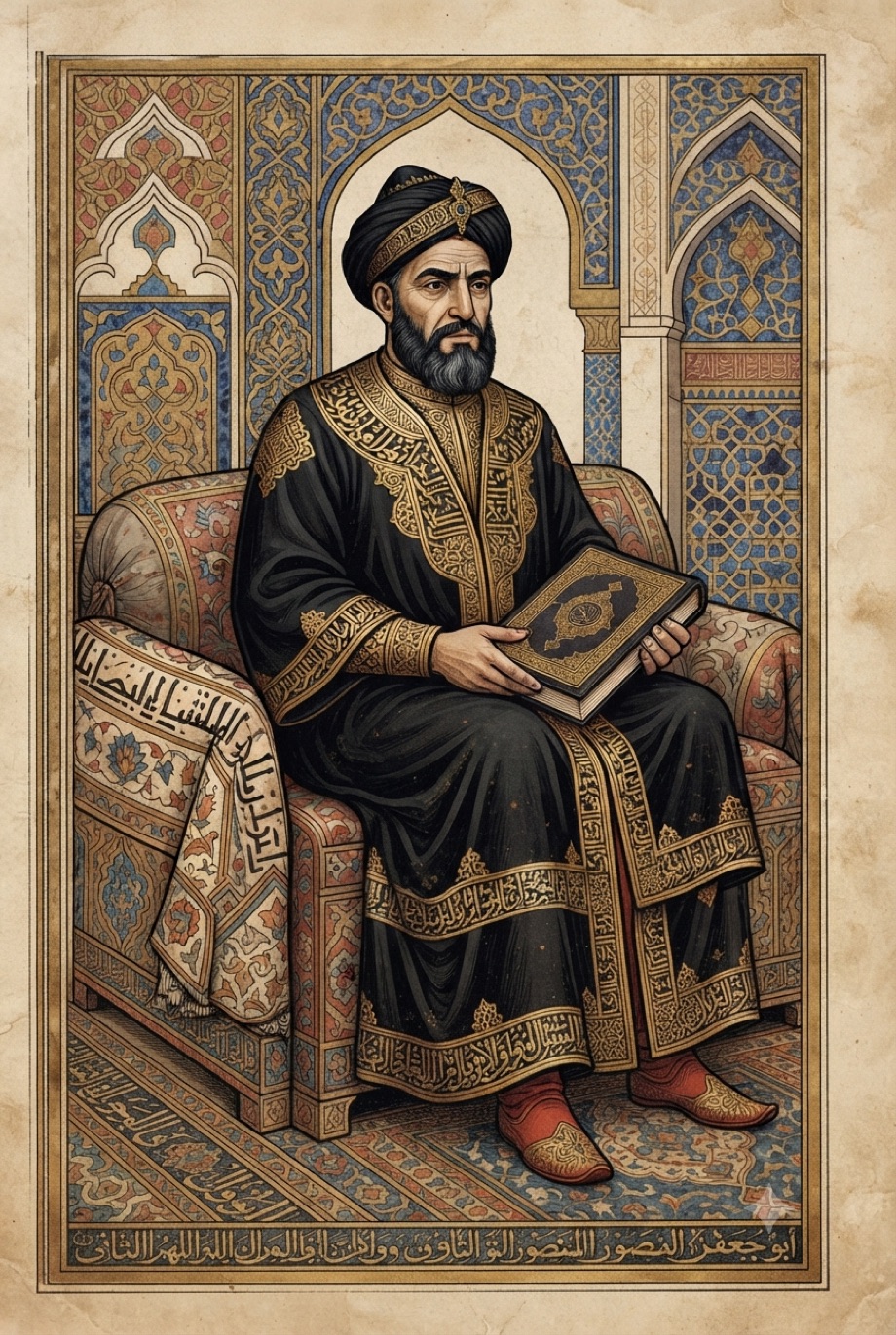
al-Mustansir II
obscureThe fugitive Abbasid whom Baibars crowned as puppet caliph, then abandoned to a doomed march on Baghdad — legitimacy made flesh.
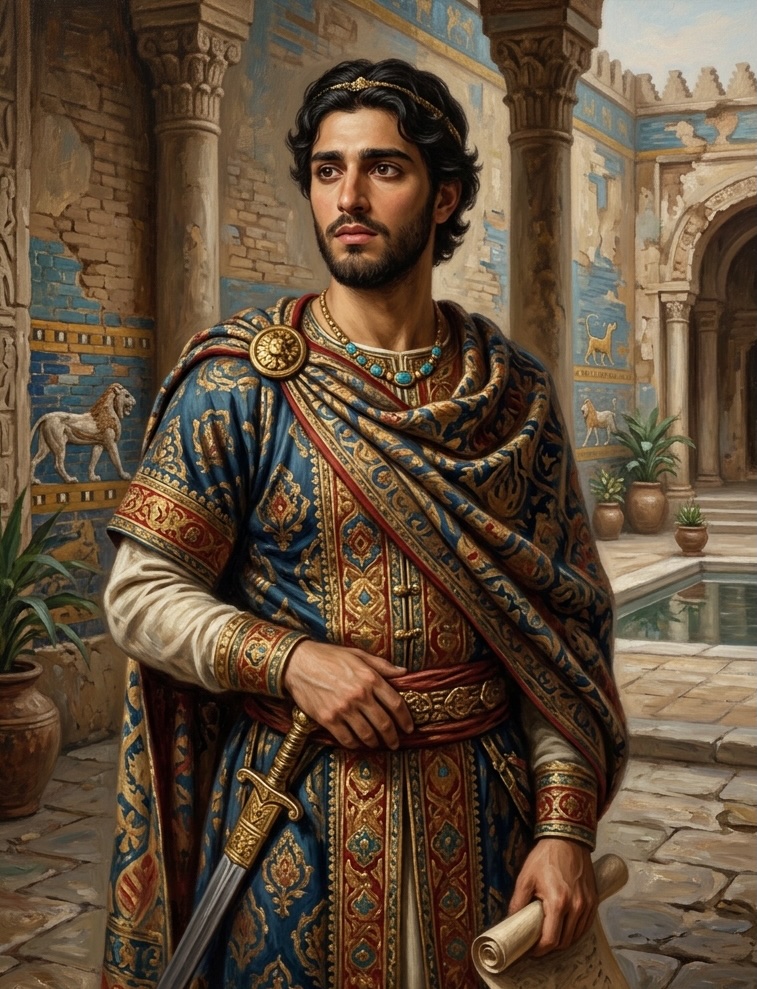
Antibelus
A son of Mazaeus and Persian noble in the orbit of Darius III.
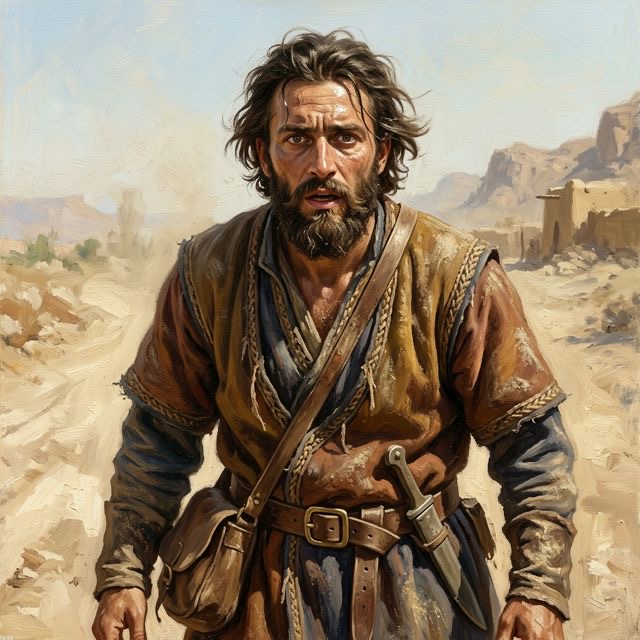
Bagistanes
The Persian messenger who first told Alexander that Darius III had been arrested.
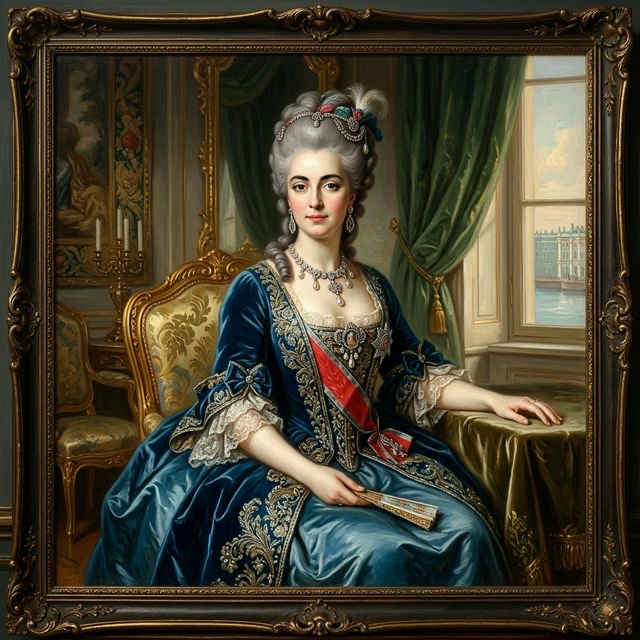
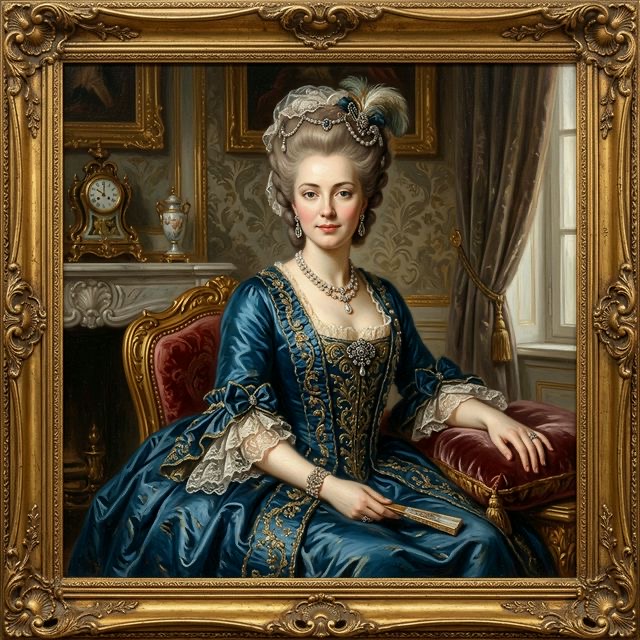
Baroness von Wrede
A Baltic German noblewoman in Catherine II's court whose quiet presence is preserved more by family record than historical fame.
Benedicta
A Baltic German noblewoman in Catherine II's orbit whose historical identity remains uncertain — a peripheral presence in the Catherinian court.
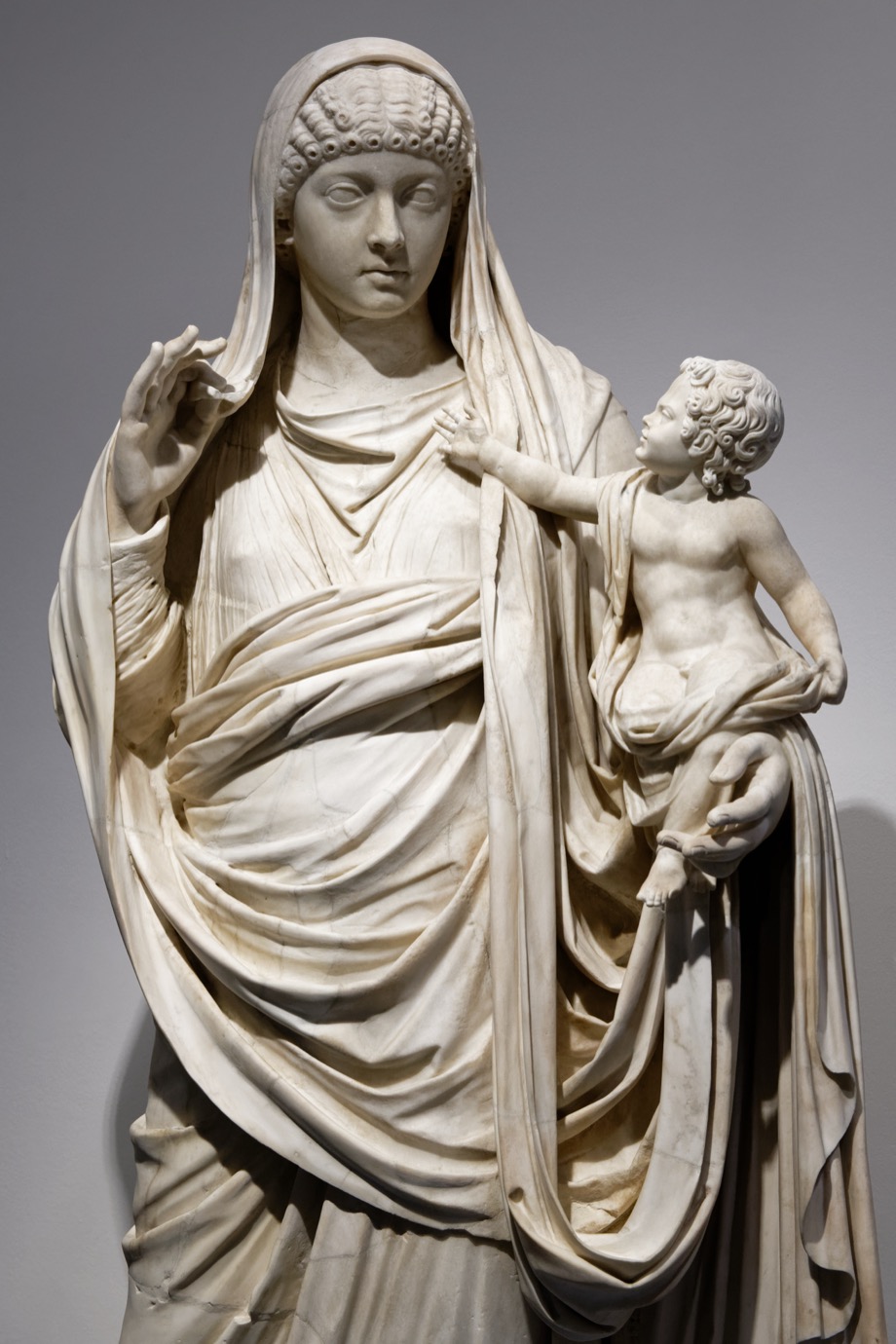
Britannicus
obscureClaudius's displaced heir, poisoned at a dinner table at thirteen to clear Nero's path to the throne.
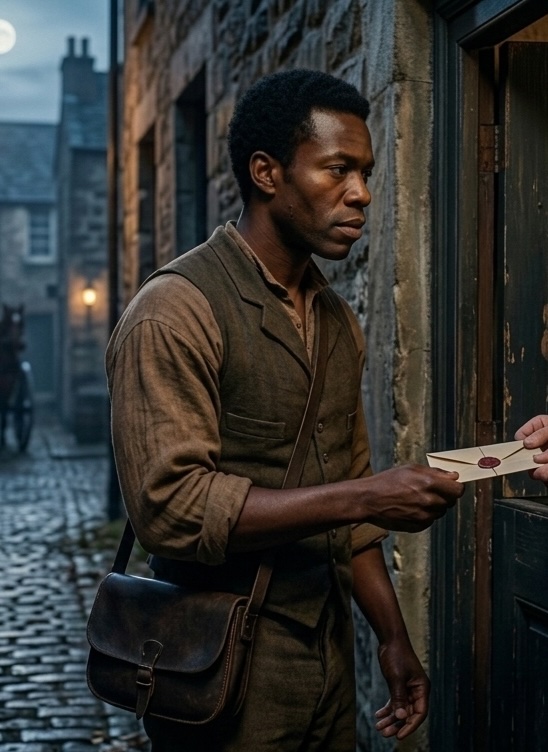
Cato
The Invisible Courier of the Revolution
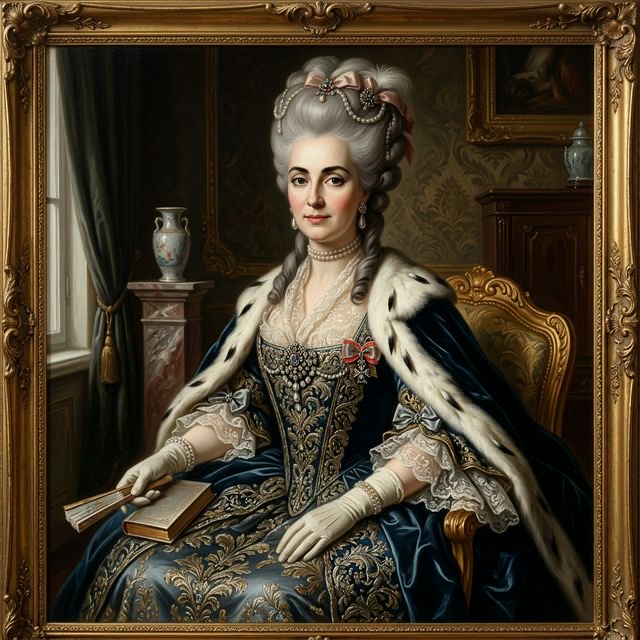
Countess Elizabeth Karlovna Sivers
A Baltic German noblewoman of the Sievers family whose precise historical identity is preserved more through family connection than personal record.
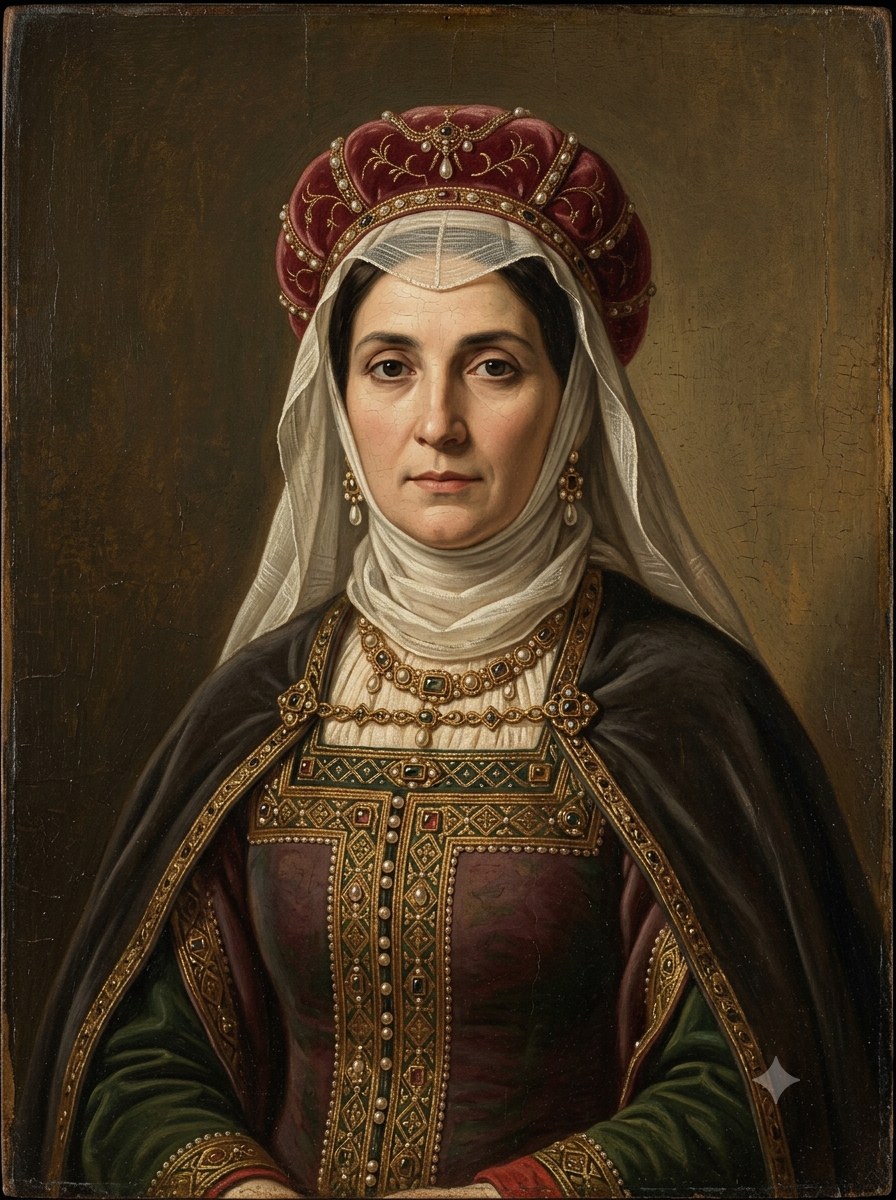
Donata Badoer
obscureMarco Polo's wife, known only from the notarial record — the Venetian life he came home to, lost to history.
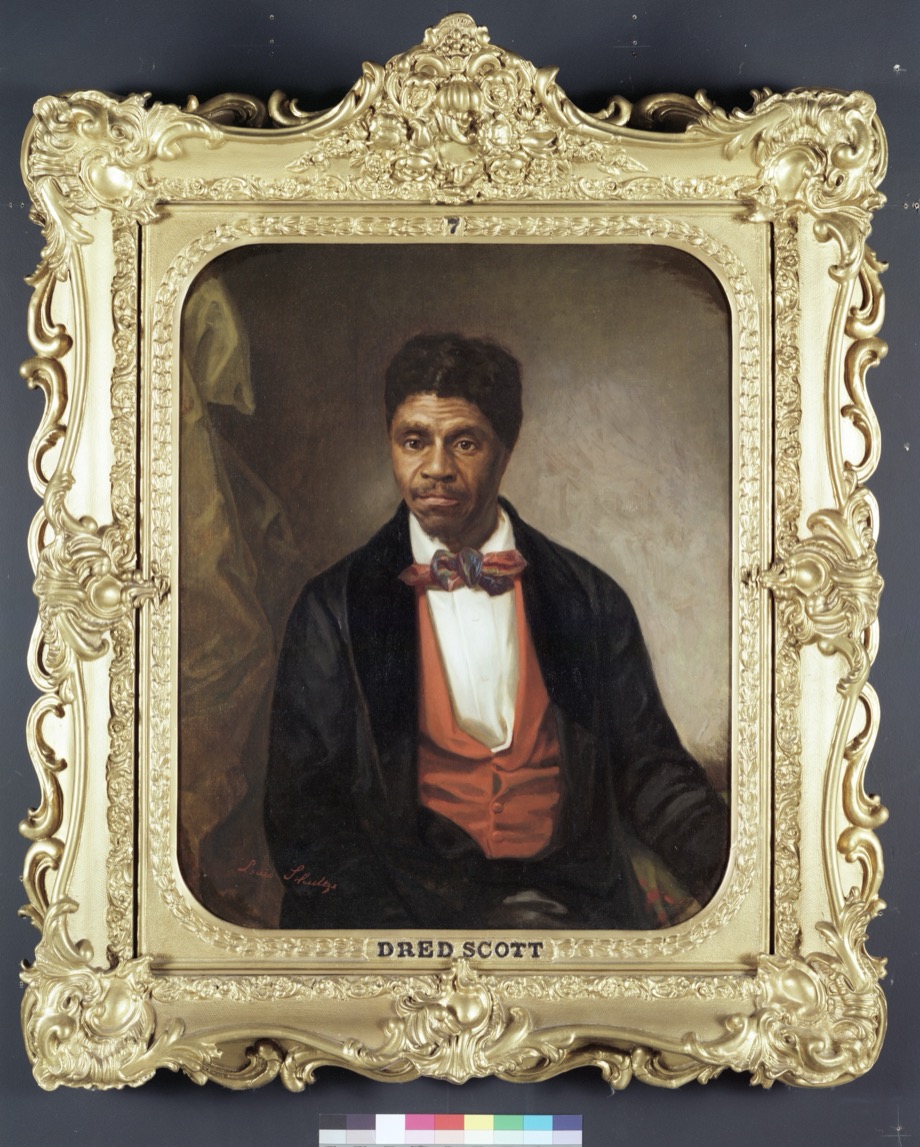
Dred Scott
obscureThe enslaved man whose eleven-year lawsuit for freedom ended in the Supreme Court's most reviled ruling
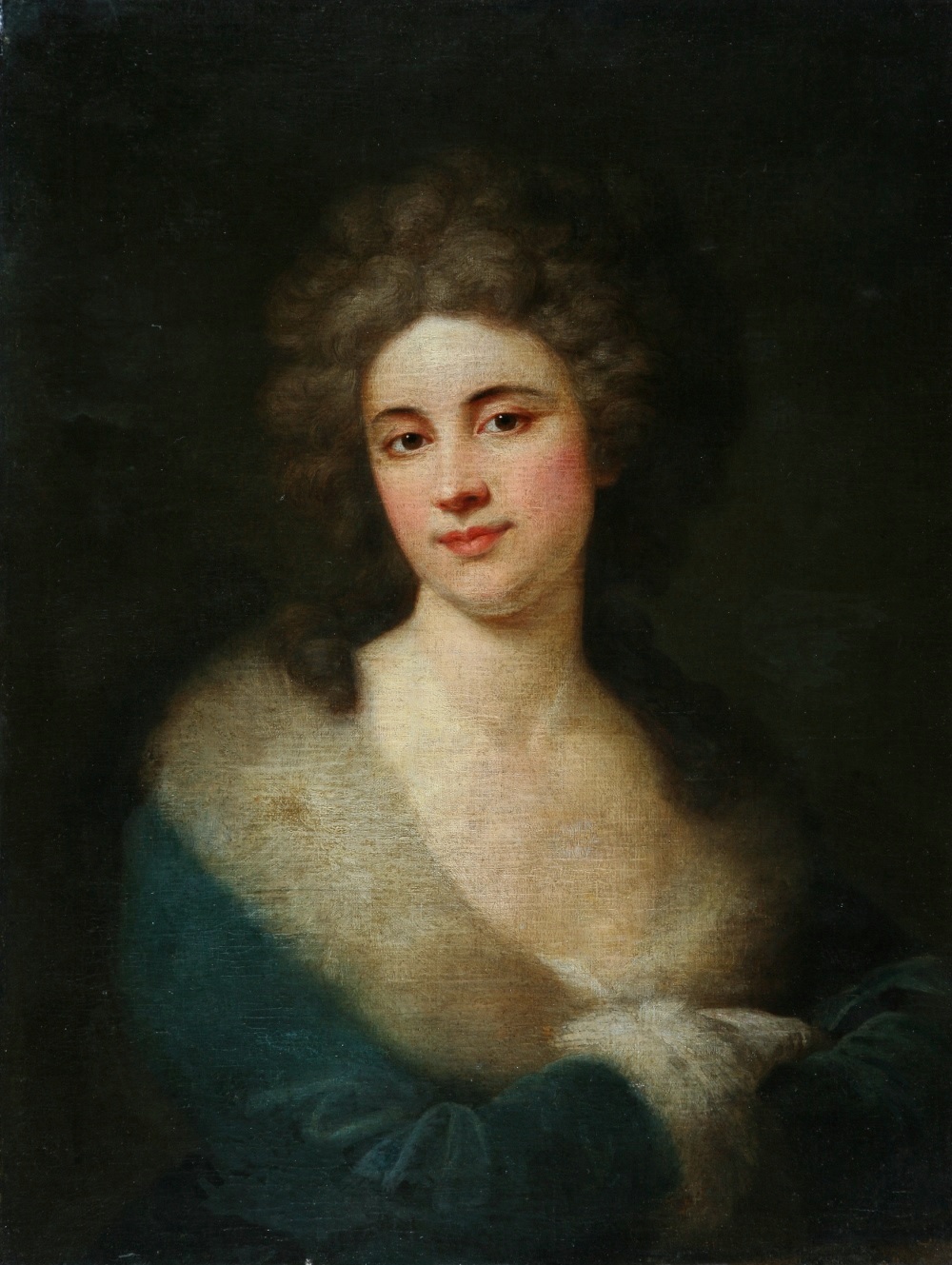
Elżbieta Szydłowska
Devoted mistress and secret wife of Poland's last king — untyped, she survives only in his documentary shadow.
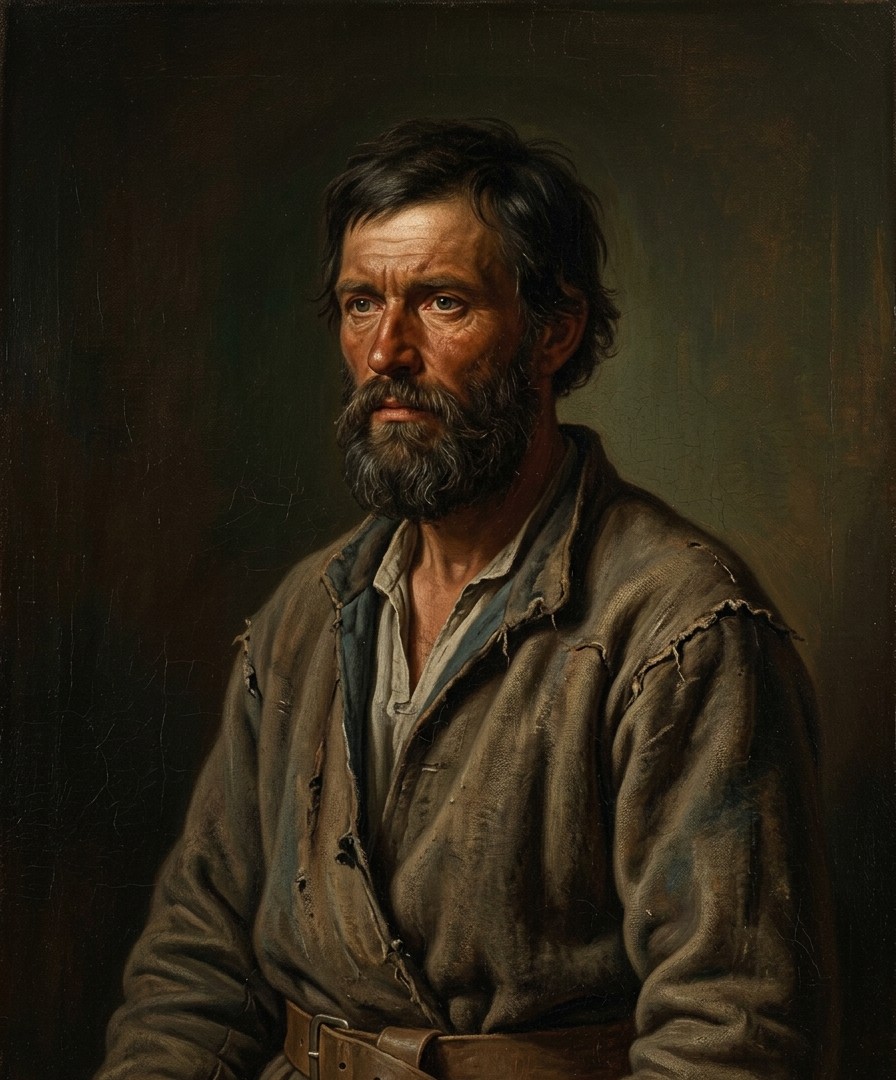
Fedot Bogmolov
Fugitive serf hailed as the surviving Peter III by Volga Cossacks in 1772 — the obscure, untyped forerunner of Pugachev's revolt.
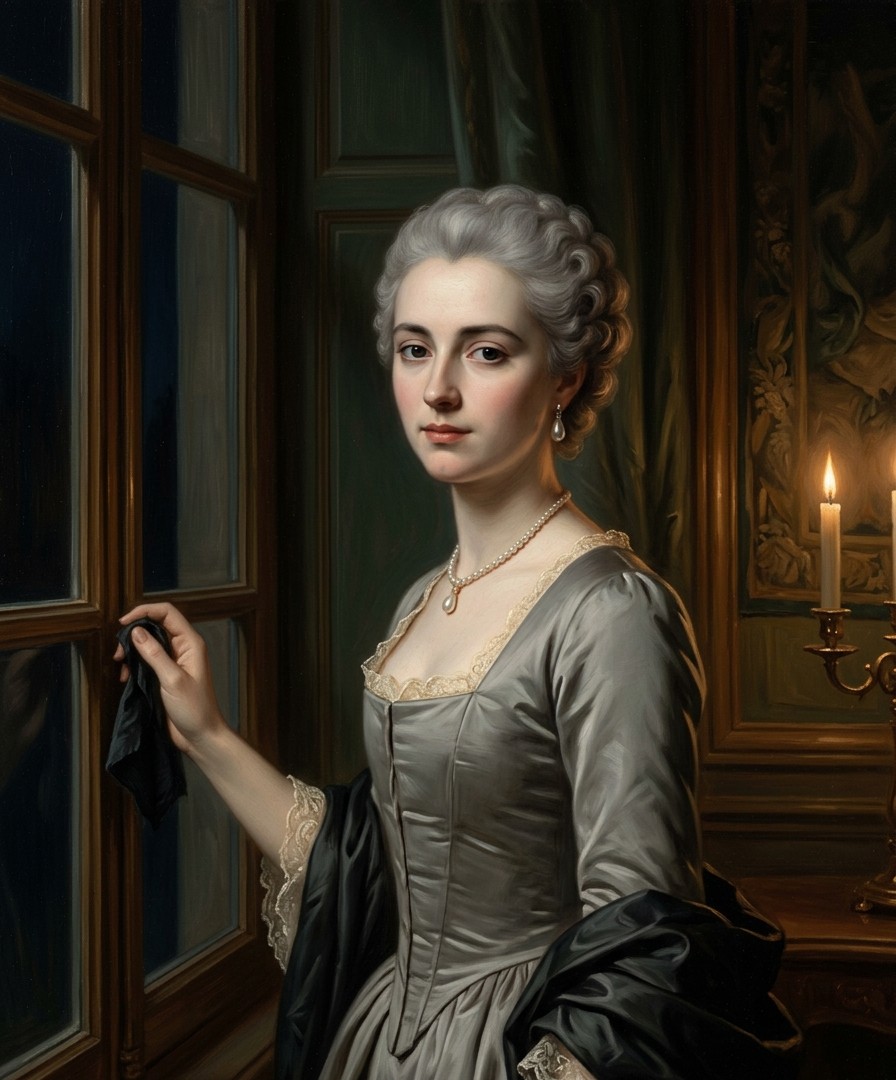
Henriette
notableCasanova's most celebrated love — a brilliant noblewoman in disguise, untyped because she survives only as a name scratched on glass
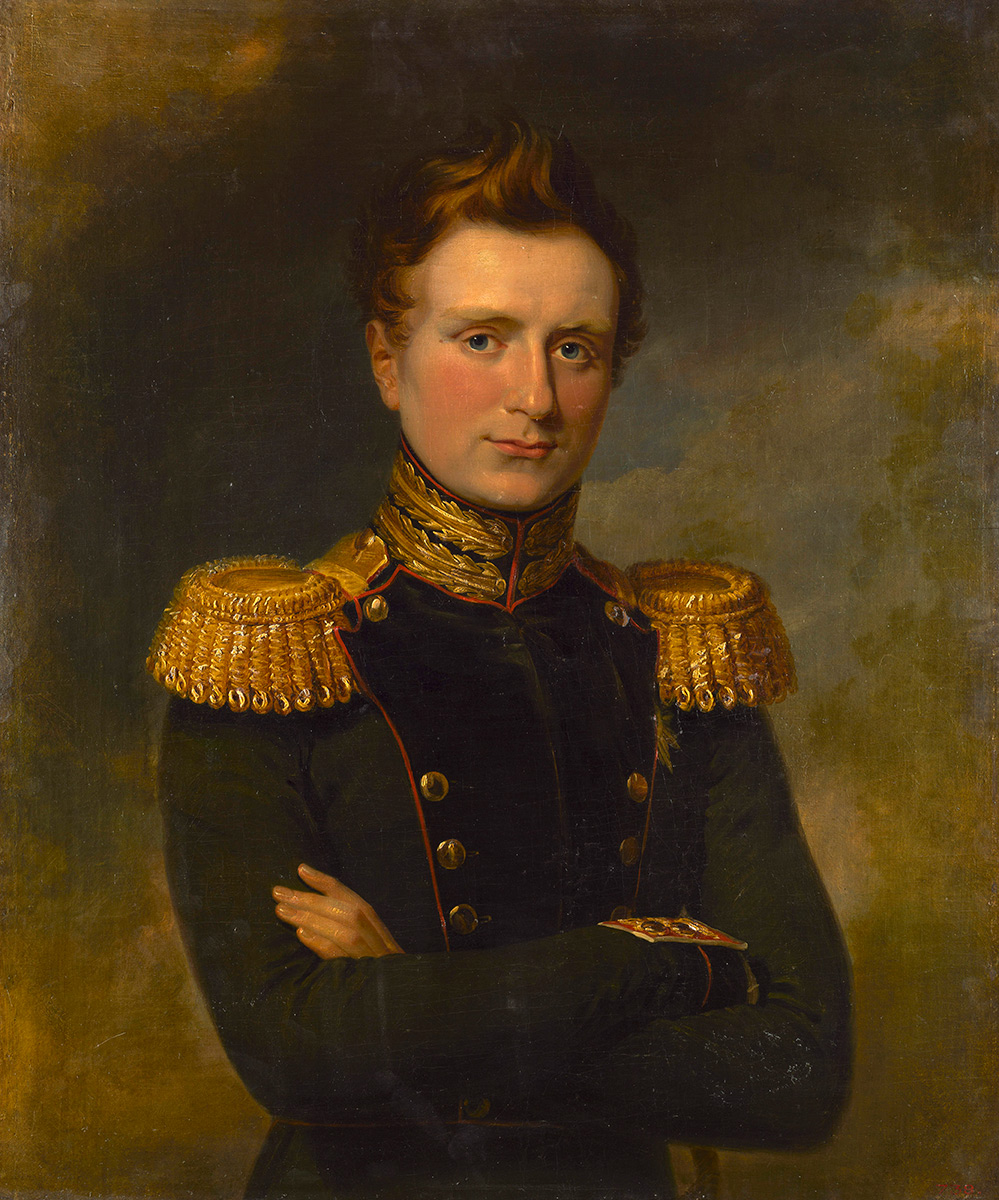
Michael Pavlovich
The empire's blunt Grandmaster of Artillery, youngest son of Paul I — left untyped because the record preserves only his martial persona.
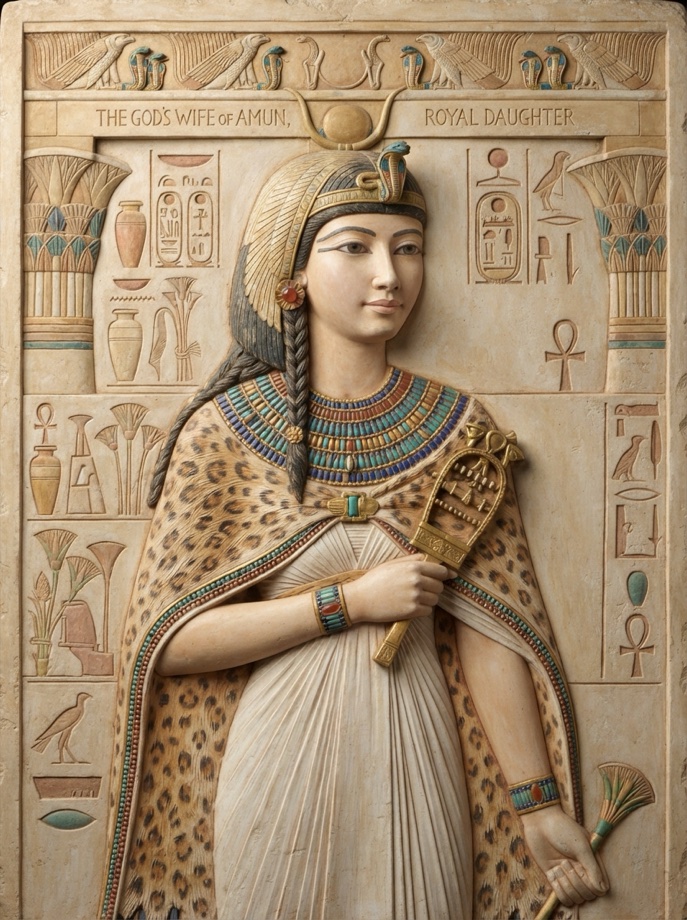
Neferure
obscureA princess groomed for ceremonial power, lost from the record before her mother's reign ended.
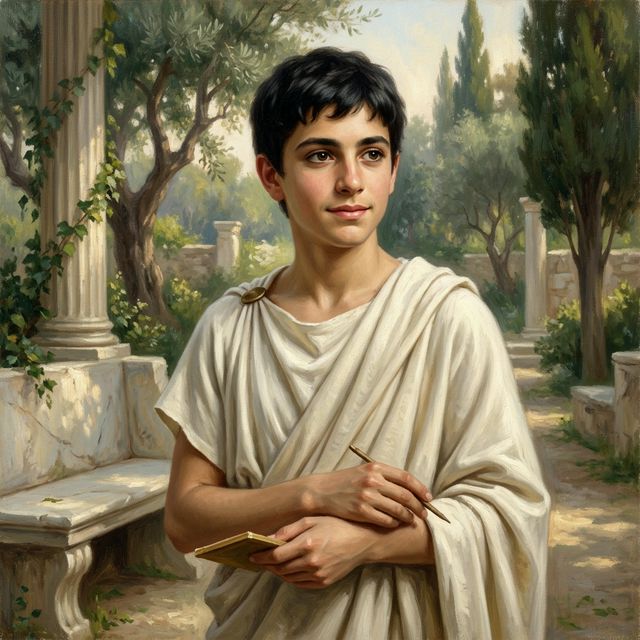
Nicomachus
obscureThe son of Aristotle.
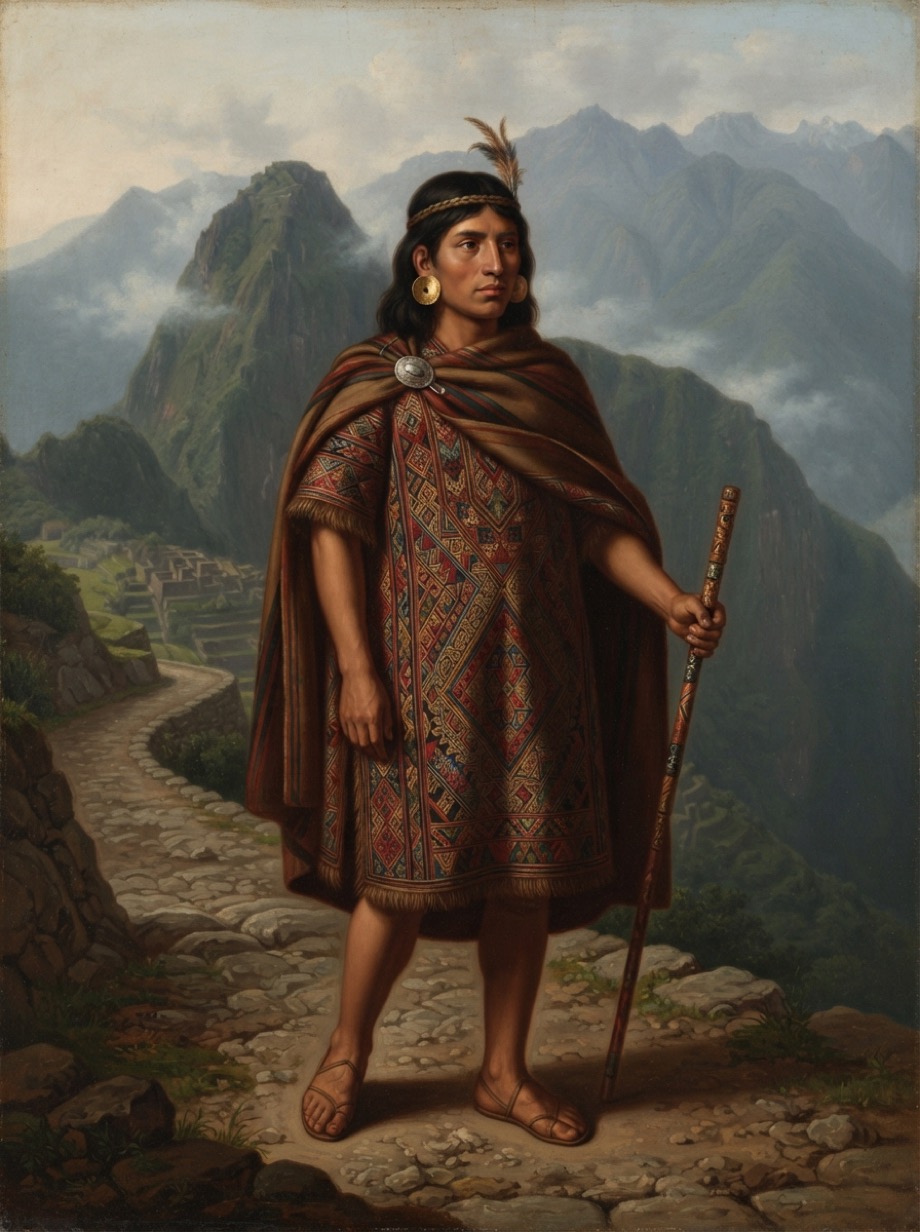
Ninan Cuyuchi
obscureThe named heir who died of smallpox before the messenger could tell him he was emperor.
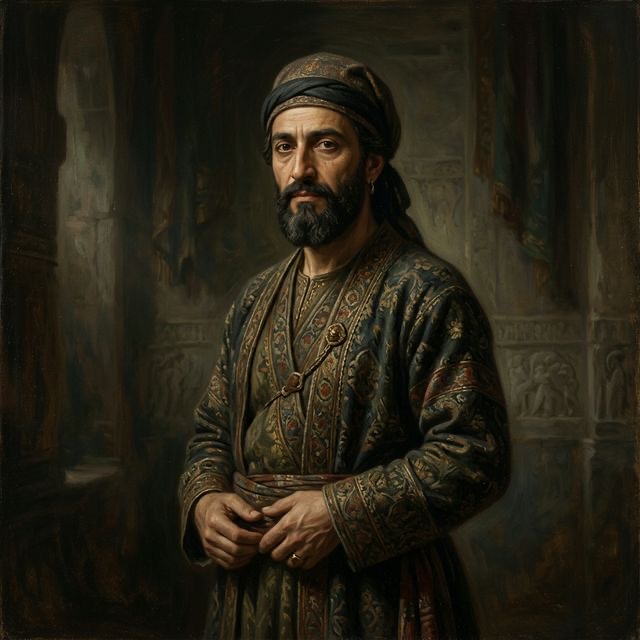
Samaxus
A minor figure in the court of Darius III whose historical record is nearly absent.
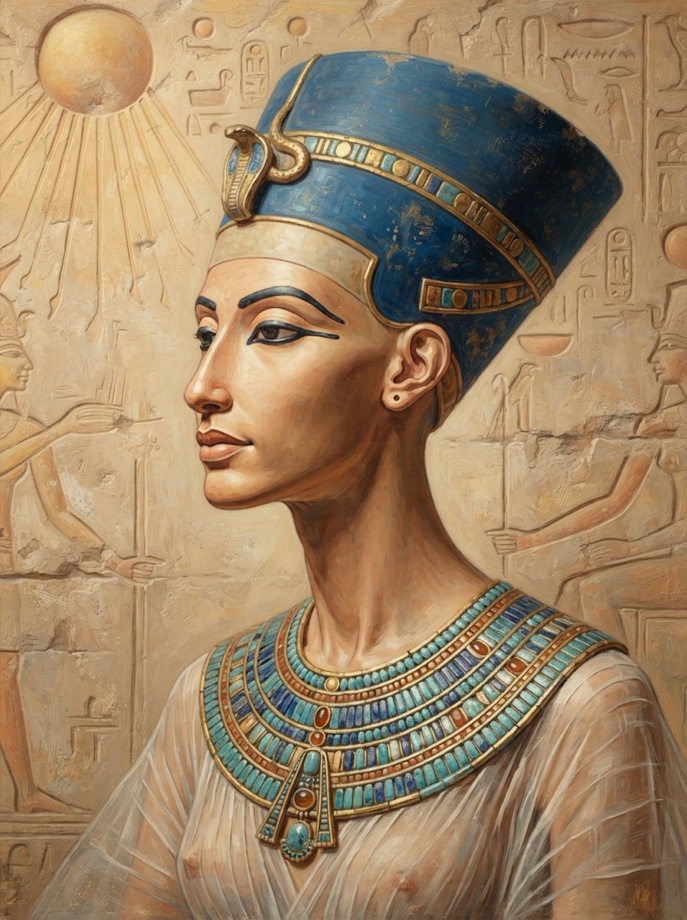
Smenkhkare
obscureA pharaoh whose identity — and even sex — remains one of Egyptology's great mysteries.
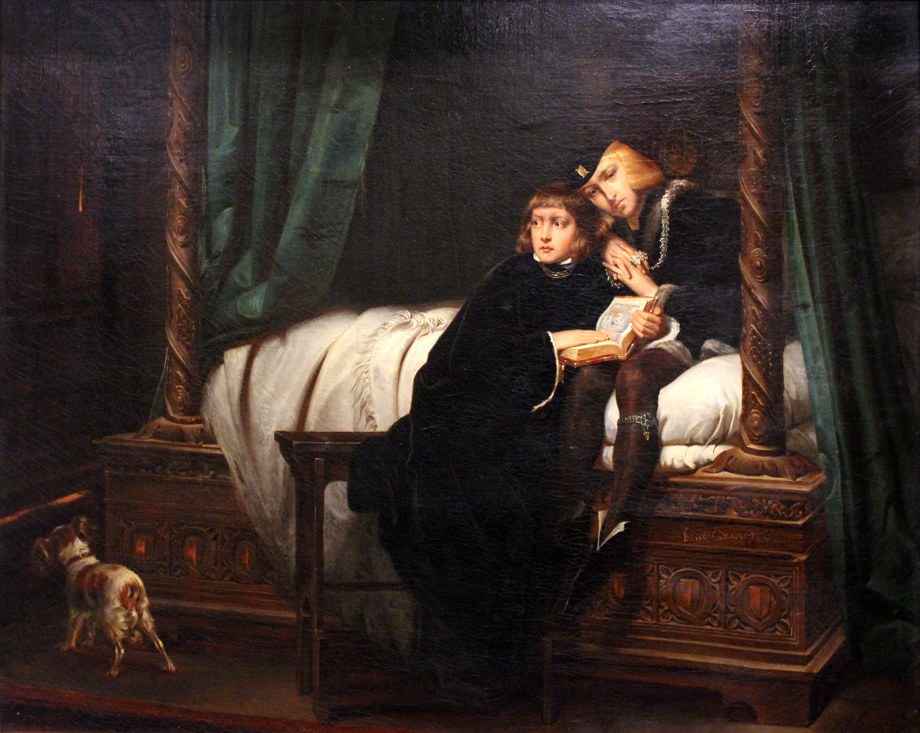
The Princes in the Tower
notableEdward IV's two boy-sons, seized by Richard III and vanished in the Tower — the unsolved crime at the heart of the Wars.
Explore Types
