 Historical Figure MBTI
Psychological Profile
Empathetic idealists guided by deep personal values and a search for authenticity.
Dominant Fi means the INFP lives at the center of an interior moral universe of extraordinary complexity and sensitivity — a private cosmos of values, meanings, and emotional truths that must be protected because they are the very substance of the self. Auxiliary Ne then opens that interior world outward, not to expose it but to discover its reflections in the external — in stories, in people, in the strange fact that the world is full of possibilities that seem to rhyme with what the INFP has always privately felt. Tertiary Si provides the emotional memory that grounds the whole: the attachment to cherished places, formative relationships, and personal history that gives the INFP's values their specific, irreplaceable texture rather than leaving them as mere abstractions. The inferior Te is the domain of structure and external effectiveness where the INFP feels most like a stranger — the cold machinery of systems and deadlines — yet it also represents the compressed energy that can, when core values are threatened, emerge with sudden and startling decisiveness.
Introverted Feeling
The INFP's core is an intricate landscape of deeply personal values and meanings. They are driven by an internal sense of 'rightness' and authenticity, leading them to prioritize personal integrity over external rewards or social expectations.
Extraverted Intuition
Ne allows the INFP to see the potential for beauty and meaning in the world around them. It infuses their idealism with creativity, enabling them to envision better futures and connect with the multifaceted nature of human experience.
Introverted Sensing
Si provides a sense of continuity and nostalgia. For the INFP, personal history and cherished memories serve as the emotional foundation for their values, often manifesting as a deep attachment to certain places, traditions, or people.
Extraverted Thinking
External structure and cold logic can feel harsh. Inferior Te can manifest as a struggle to organize their life or a sudden, rigid focus on efficiency when they feel their core values are threatened, though it remains their least natural mode of engagement.
The Historical Role
Moral casualties or devoted partners of radical change. They appear in history at the intersection of private conviction and public impossibility — figures who hold, with a tenacity that is almost mystical, to an interior vision of how things ought to be, and who are capable of extraordinary moral courage or extraordinary suffering depending on whether the age rewards or punishes that kind of faithfulness to the inner life. They are the poets of injustice, the diarists of wars, the quiet loyalists who stayed when everyone else accommodated, and the tragic idealists who broke rather than bent. The INFP's signature in the historical record is not conquest or institution-building but the text, the testimony, the act of witness — evidence that someone lived by an inner standard and refused to abandon it.
INFPs in history often represent the quiet, inner core of loyalty or the tragic idealist who chooses personal authenticity over the demands of the state or the era.
Historical Figures
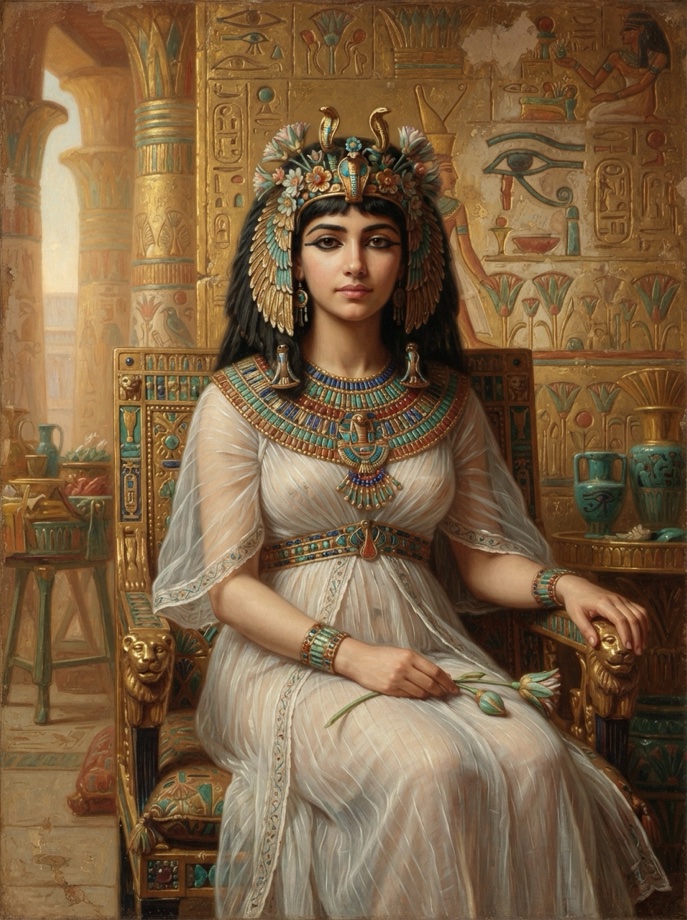
Ankhesenamun
renownA widowed queen who begged a foreign king for a husband rather than marry a subject.
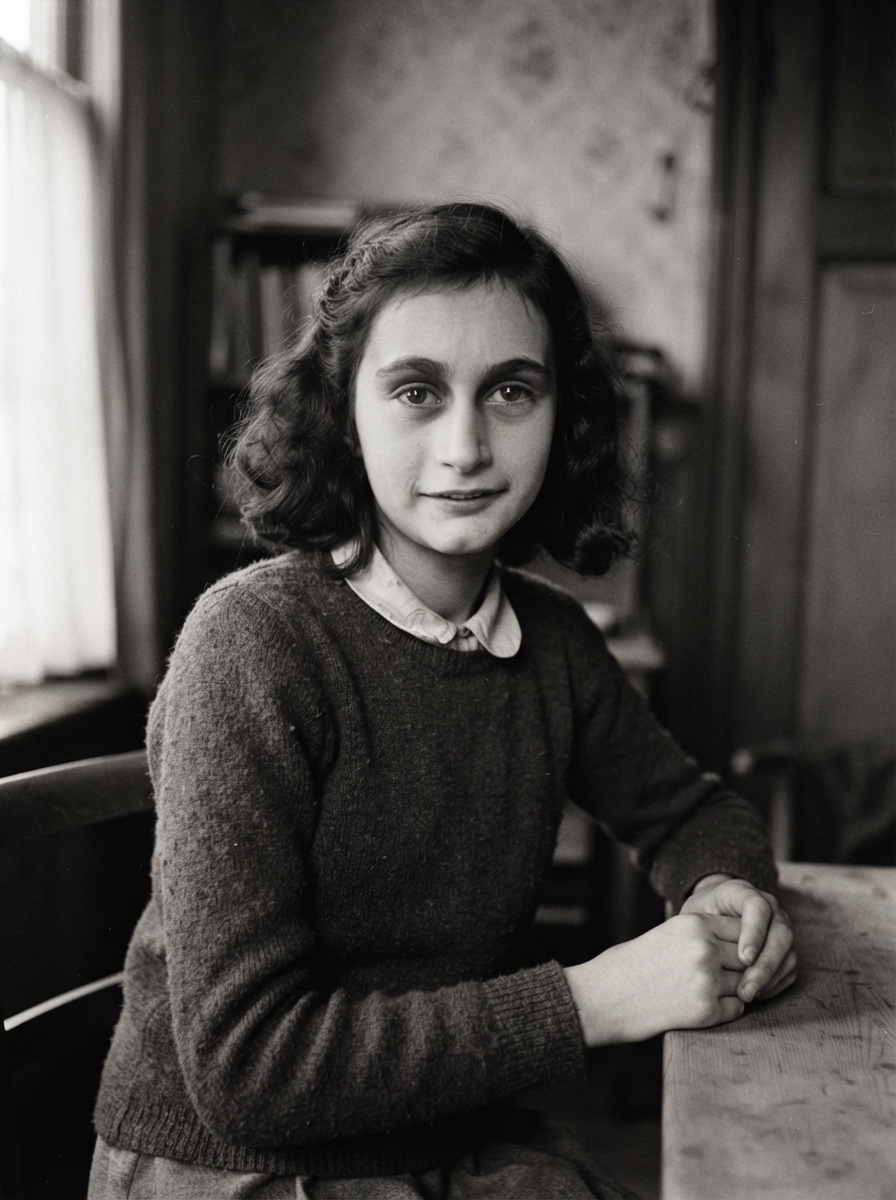
Anne Frank
The diarist whose voice from hiding became the Holocaust's most read testimony
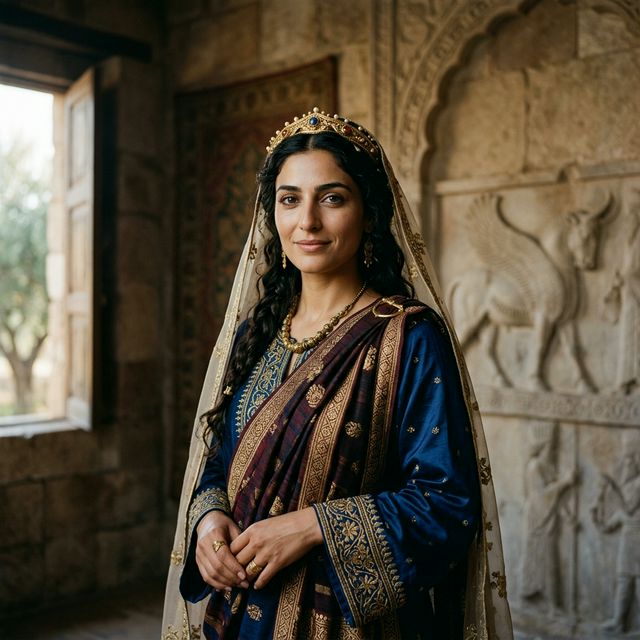
Barsine
The Persian noblewoman who navigated two worlds.
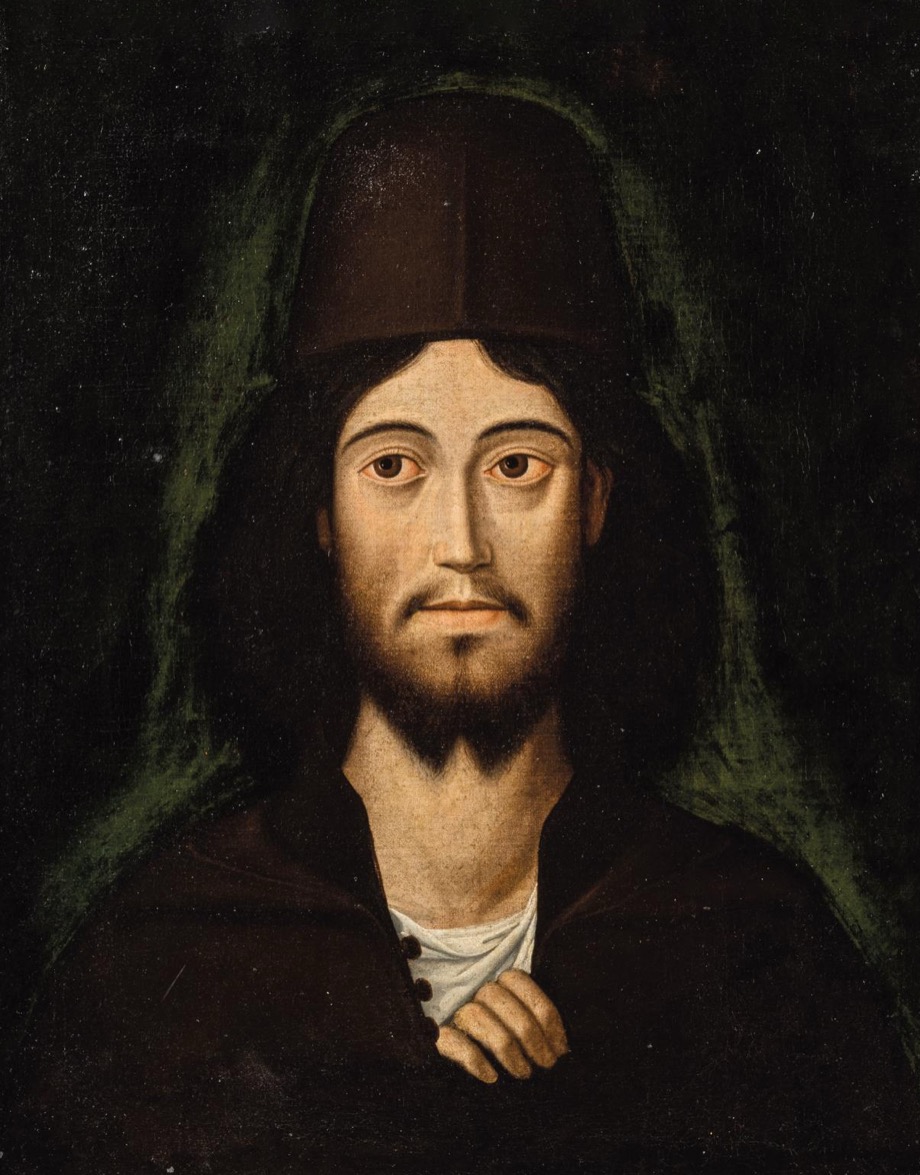
Boabdil
notableThe last Emir of Granada, who surrendered the final Muslim kingdom of Iberia in tears.
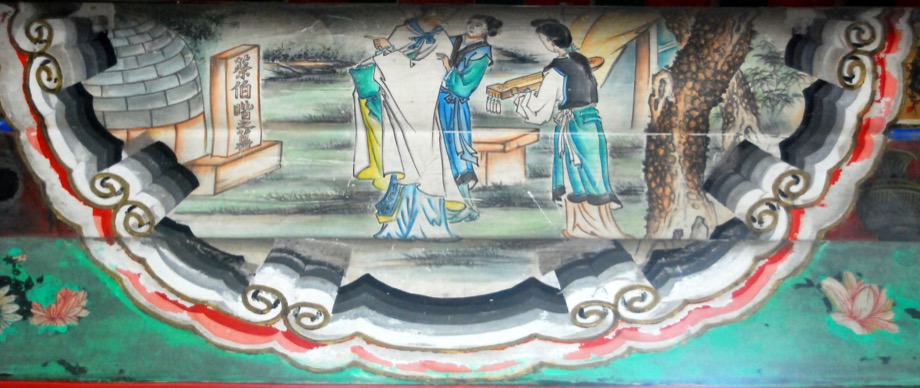
Cai Wenji
notableThe poet whose twelve years of Xiongnu captivity produced a wrenching verse cycle.
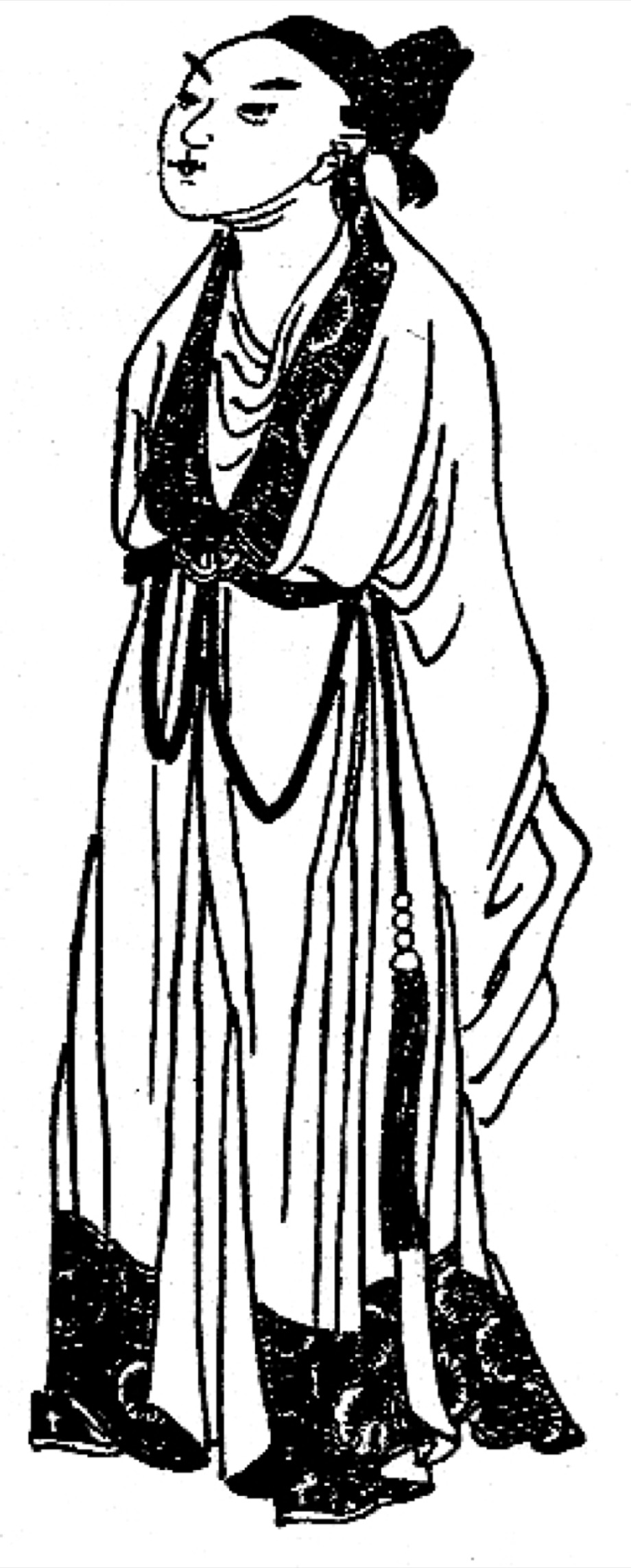
Cao Zhi
renownThe poet prince whose genius could not save him from his brother's throne
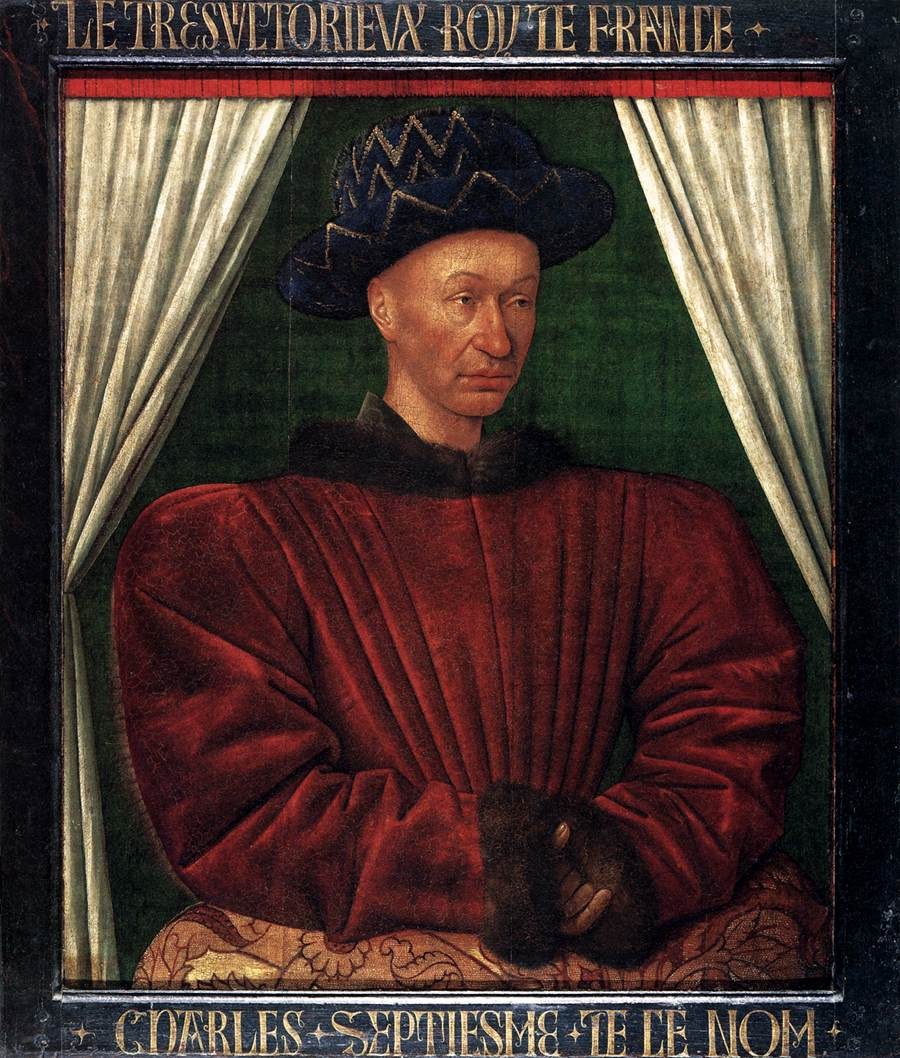
Charles VII
renownThe disinherited, self-doubting Dauphin whom Joan crowned and who won France back — the INFP king who came good at last.
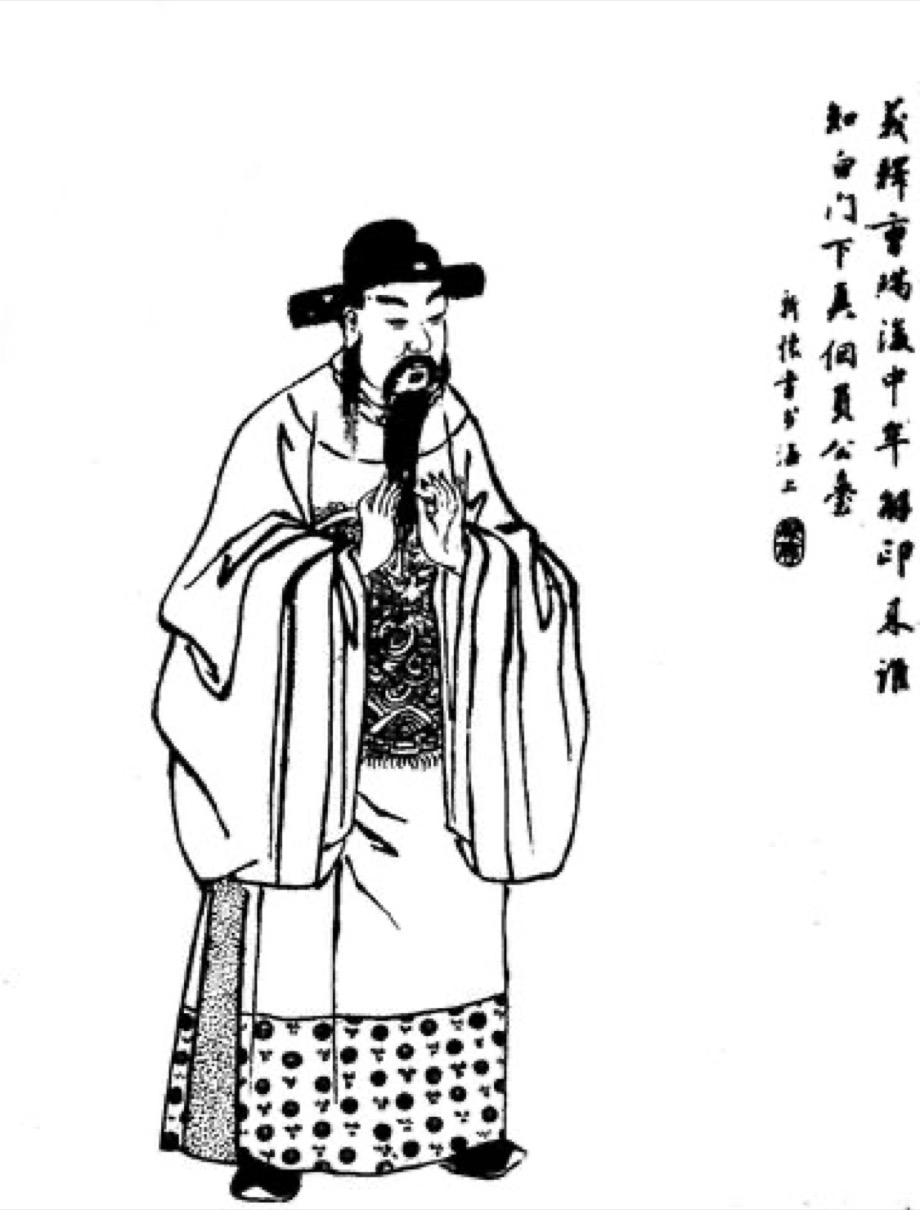
Chen Gong
notableThe idealist who walked out on Cao Cao over one unforgivable massacre.
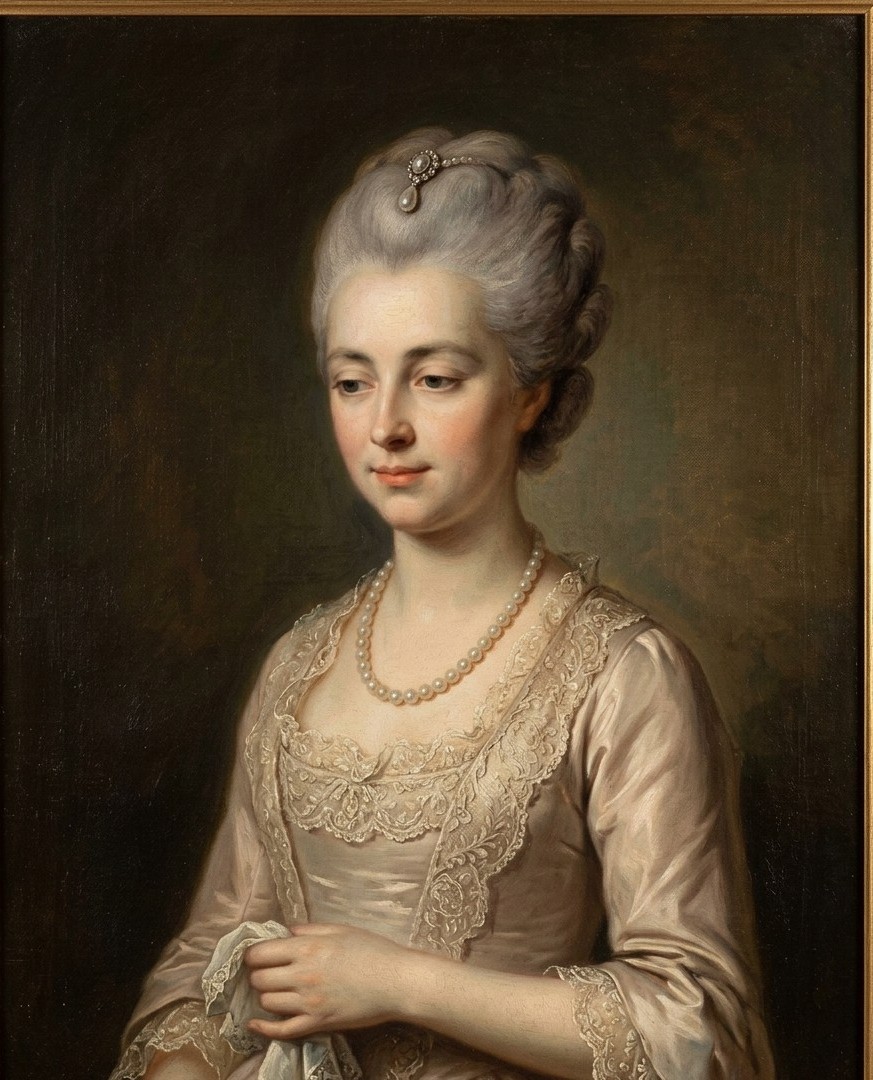
Darya Shcherbatova
The INFP lady-in-waiting who won a favorite's love and an empress's exile through pure sincerity at Catherine's court.
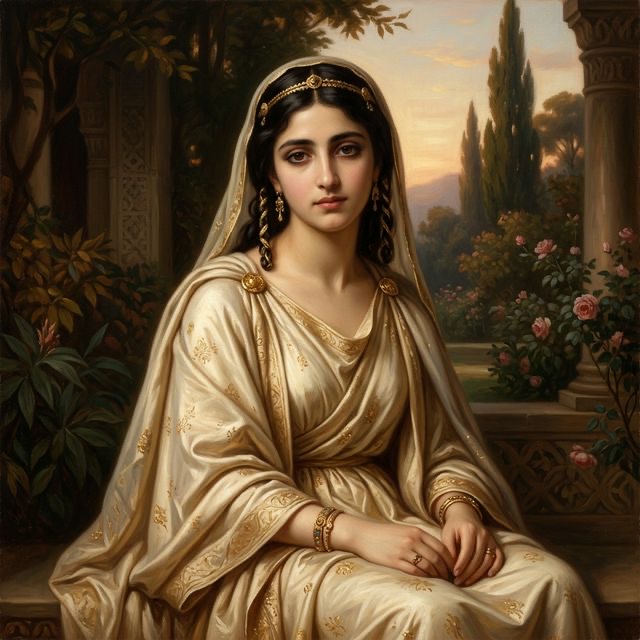
Drypetis
notableThe Persian princess who married Hephaestion and outlived neither him nor Alexander.
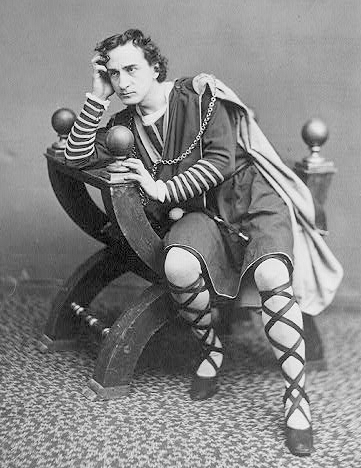
Edwin Booth
renownThe great Shakespearean actor shamed by his brother's crime
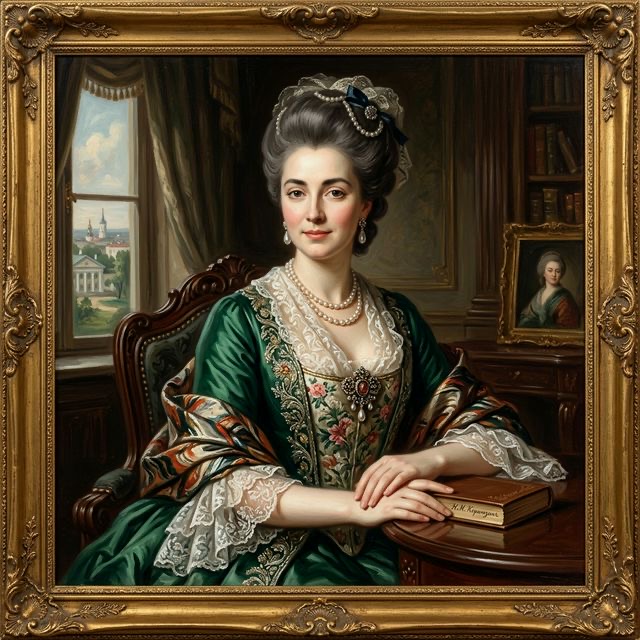
Elizaveta Protasova
A Nizhny Novgorod noblewoman who became the object of Karamzin's earliest romantic attachment — encoded quietly in his early sentimental writings.
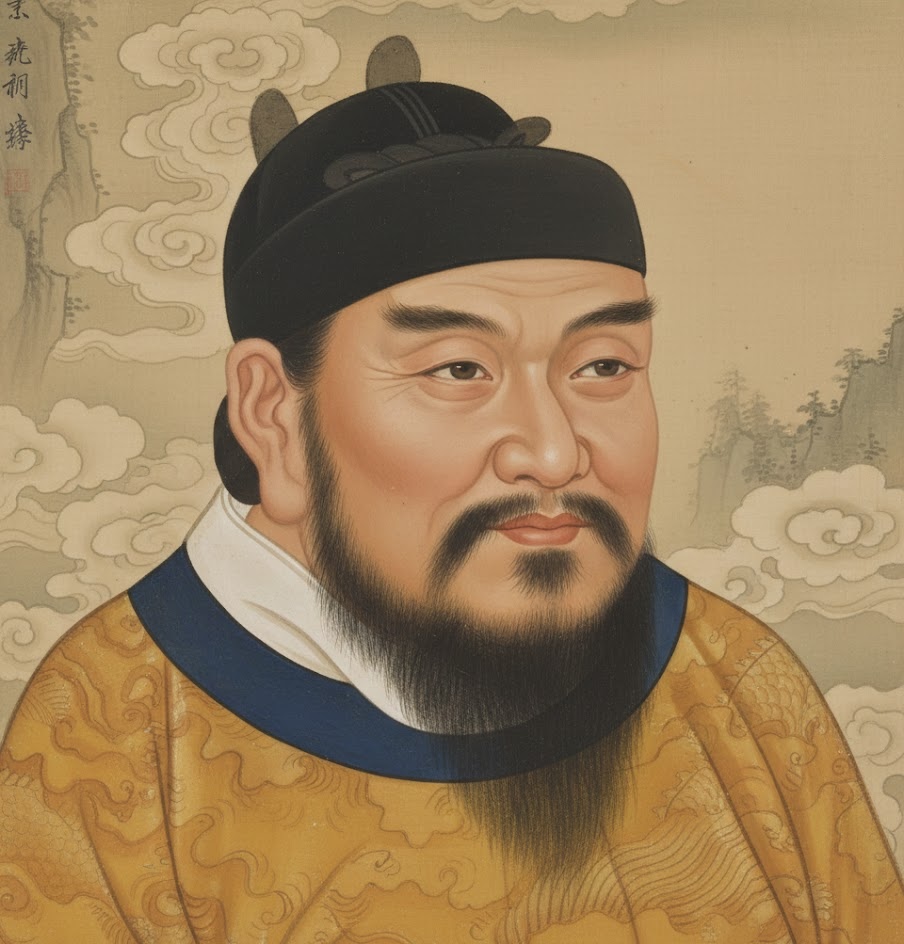
Emperor Gaozong of Tang
notableThe Gentle Sovereign in a Violent Court.
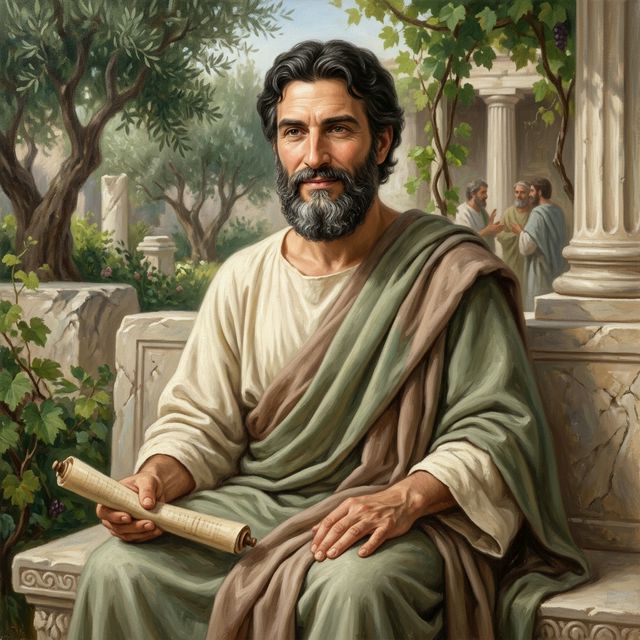
Epicurus
renownThe philosopher of the garden — peace, not pleasure.
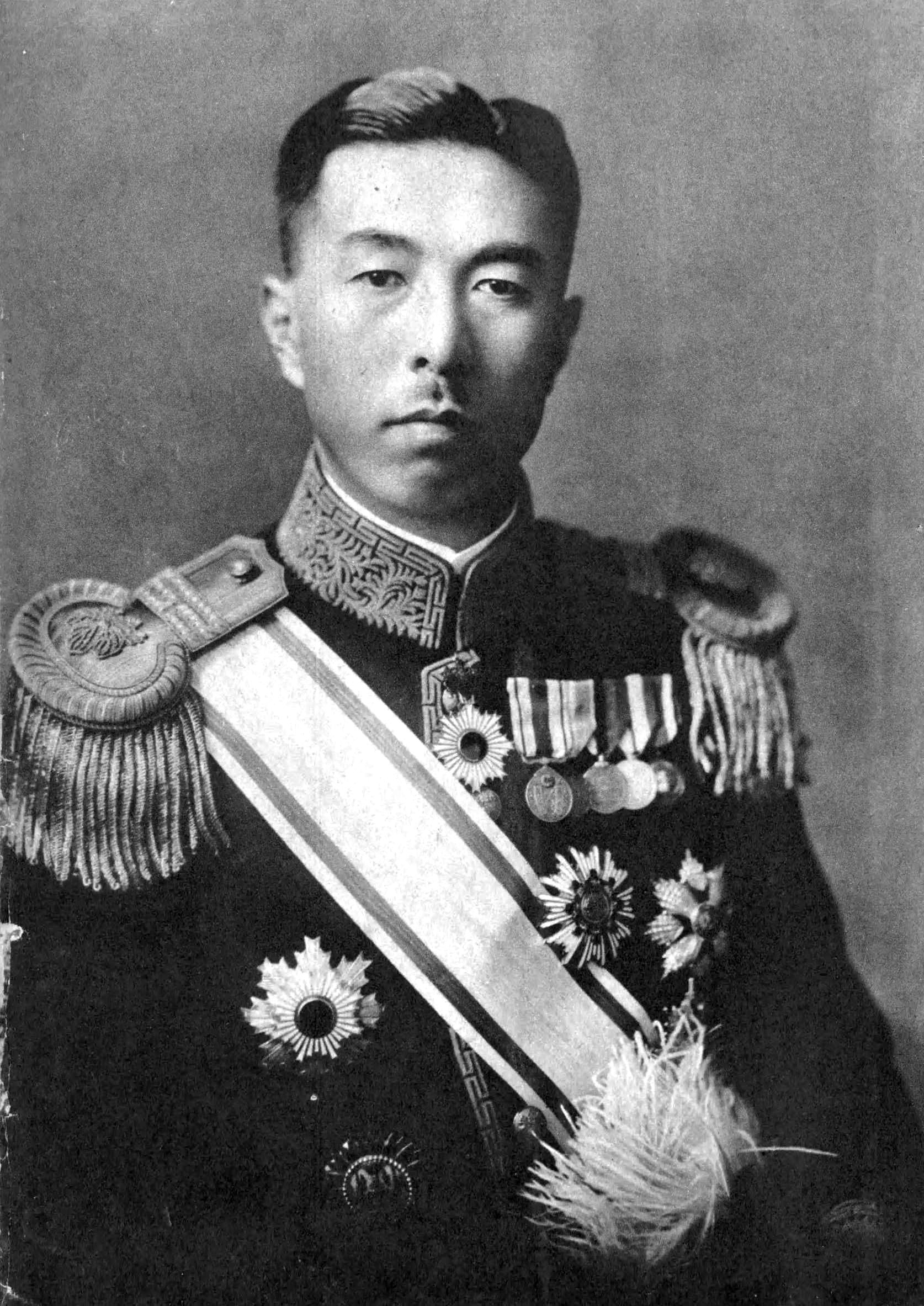
Fumimaro Konoe
notableThe prime minister who hoped for peace and drifted Japan into war instead.
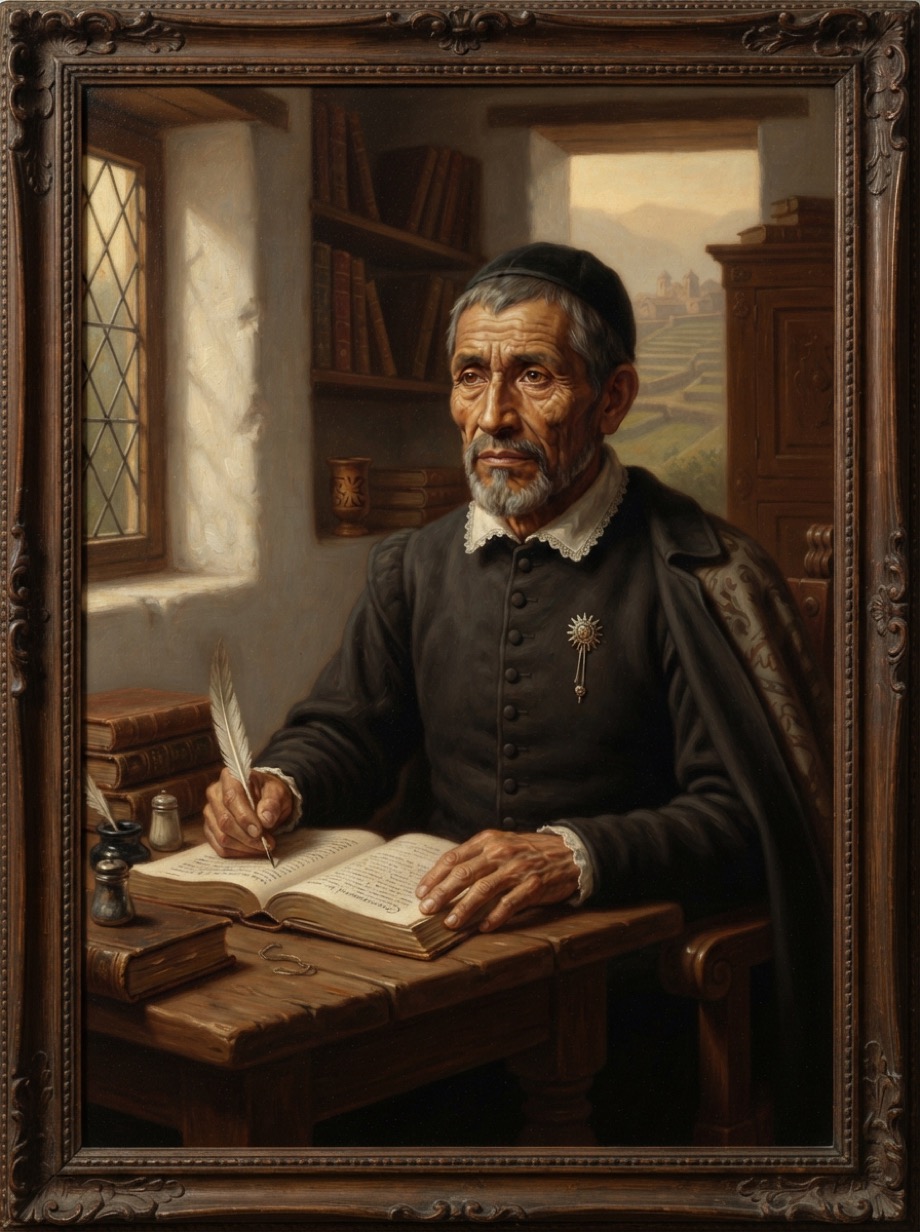
Garcilaso de la Vega, el Inca
renownThe conquistador's mestizo son who left Peru at 21 and spent old age in Spain inventing the Inca golden age for Europe.
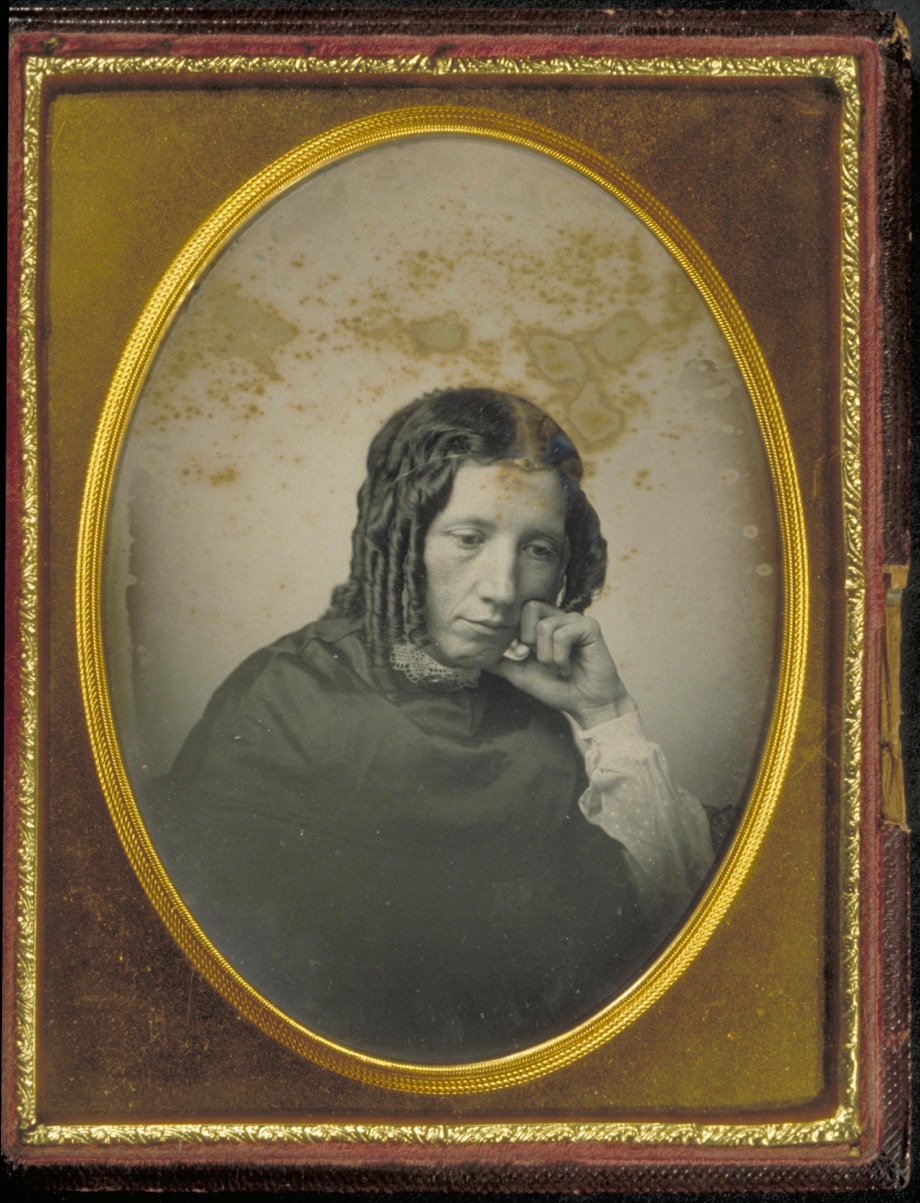
Harriet Beecher Stowe
renownThe novelist whose sentimental bestseller made slavery unbearable to readers who had never seen it
Héloïse d'Argenteuil
renownAbelard's brilliant student and secret wife, who refused to repent her love even before God — the fiercely authentic INFP.
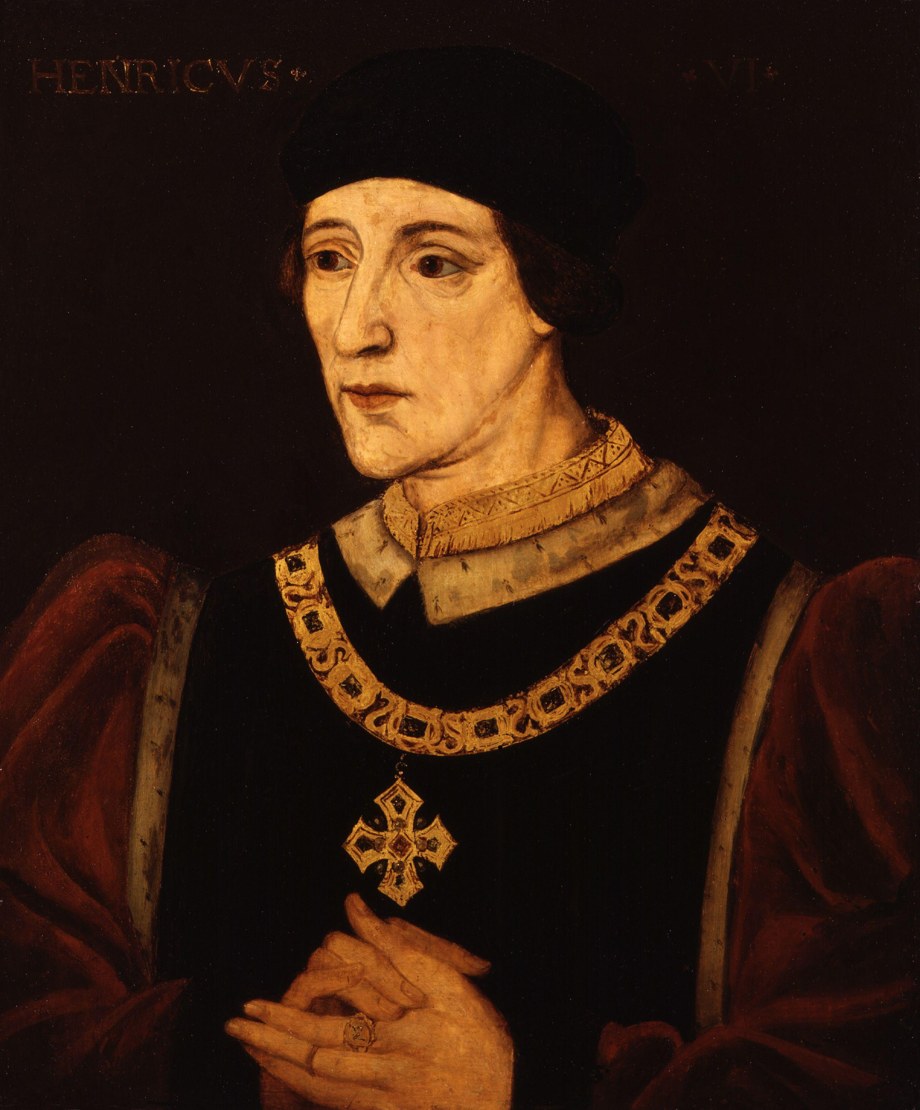
Henry VI
The saintly, unworldly king whose madness lit the Wars of the Roses — the gentle INFP a brutal age had no place for.
Hephaestion
notableAlexander's closest companion and the one who understood his soul.
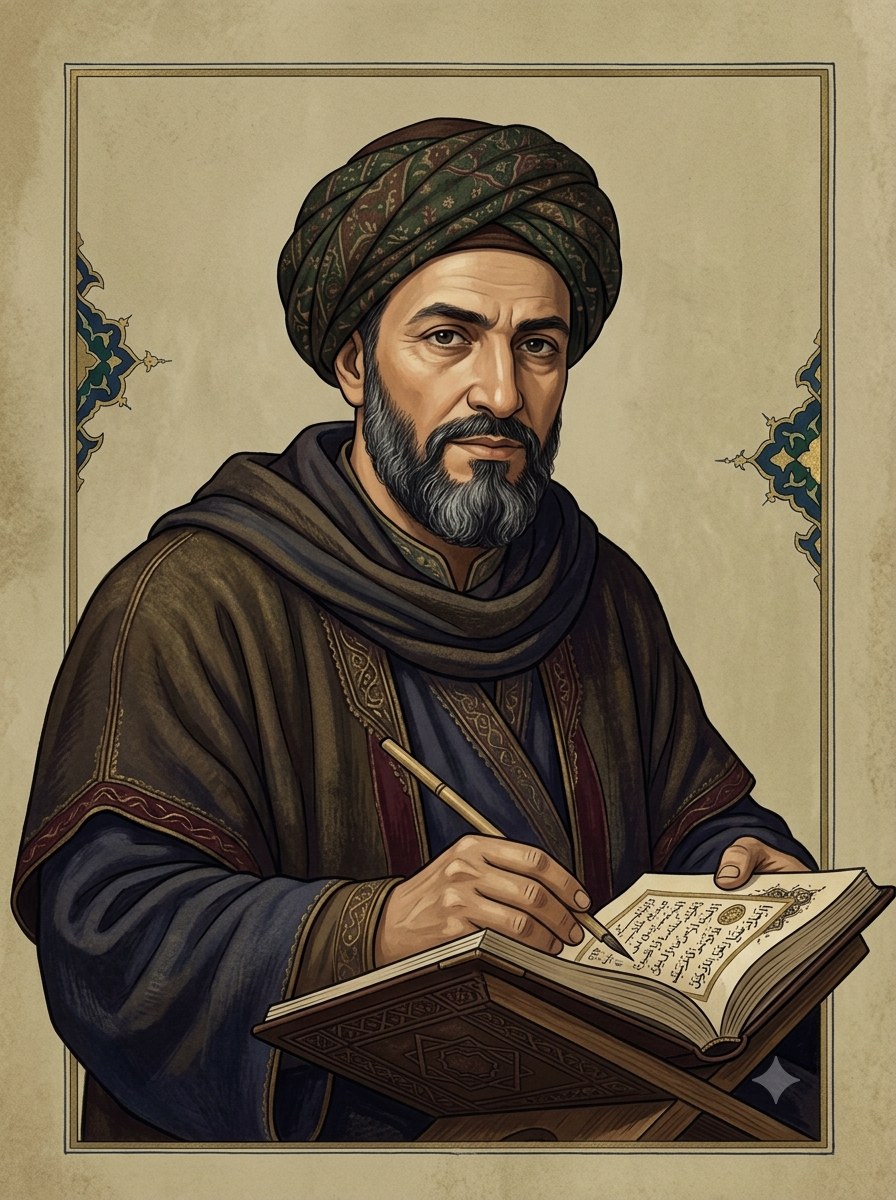
Ibn Juzayy
notableThe Granadan poet who shaped Ibn Battuta's travels into the Rihla — the INFP craftsman behind the great travel book.
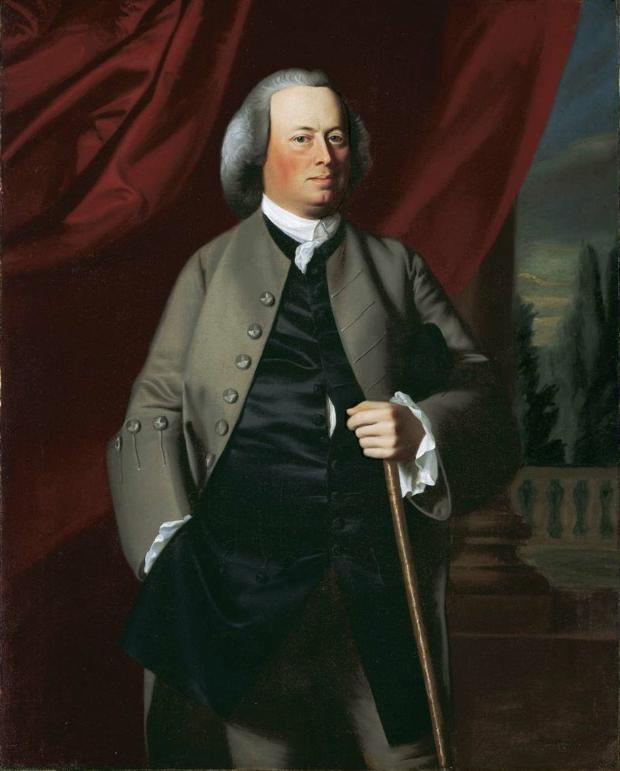
James Warren
notableMercy Otis Warren's husband — general, patriot, and perpetual political outsider
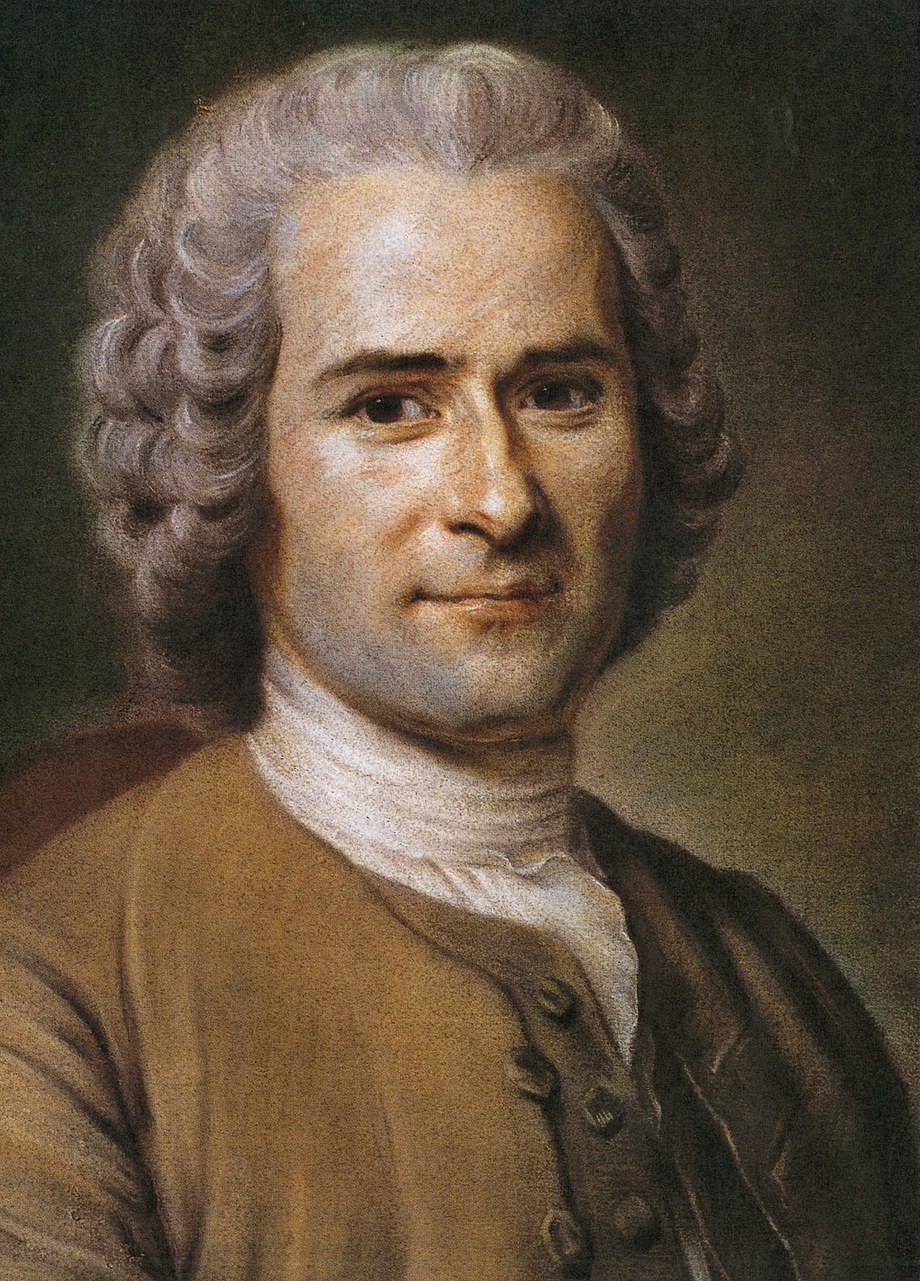
Jean-Jacques Rousseau
renownThe man who trusted his own heart above the world and could not keep a friend, a child, or his peace — Rousseau the INFP
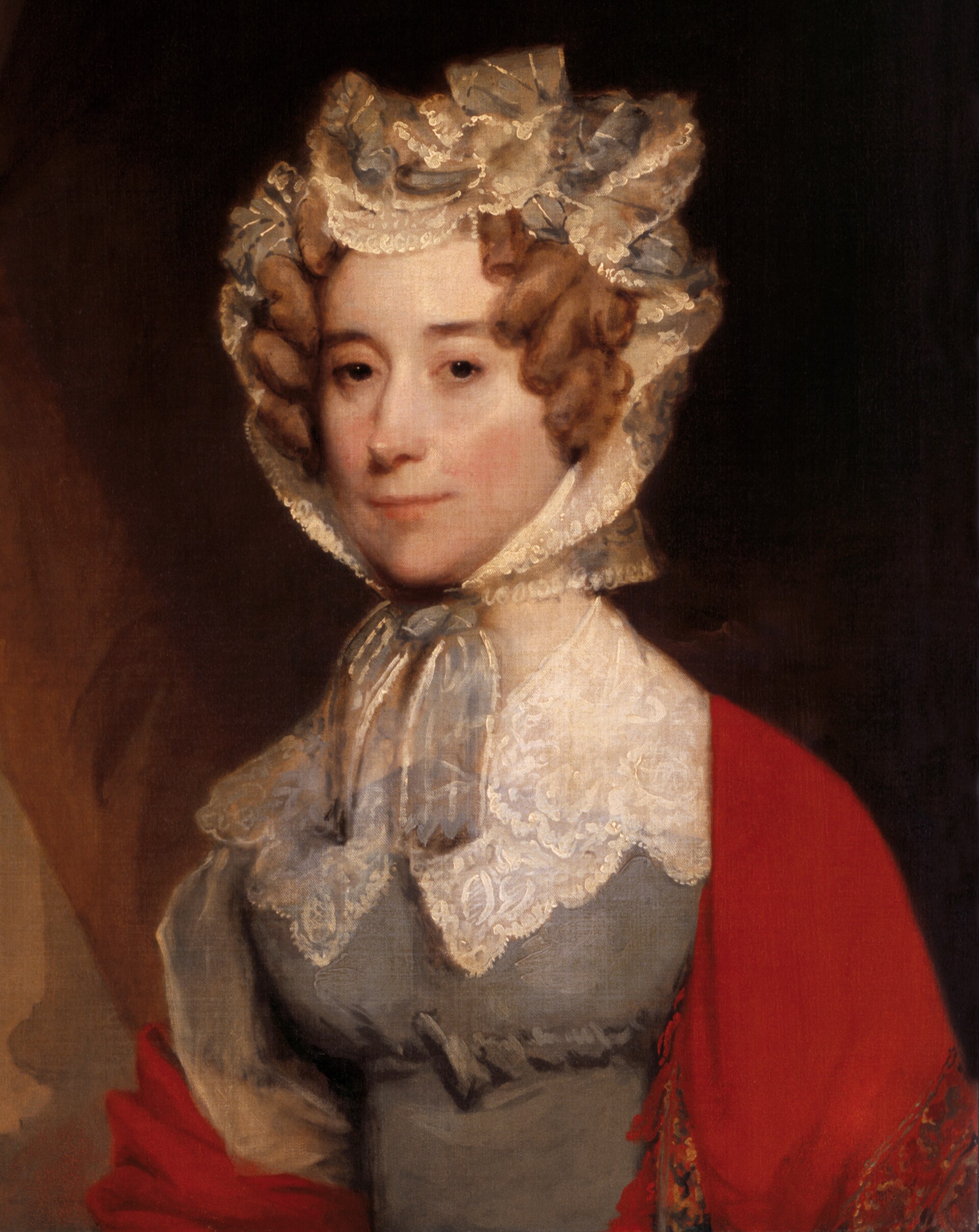
Louisa Catherine Adams
notableJohn Quincy Adams's wife — the only First Lady born outside America
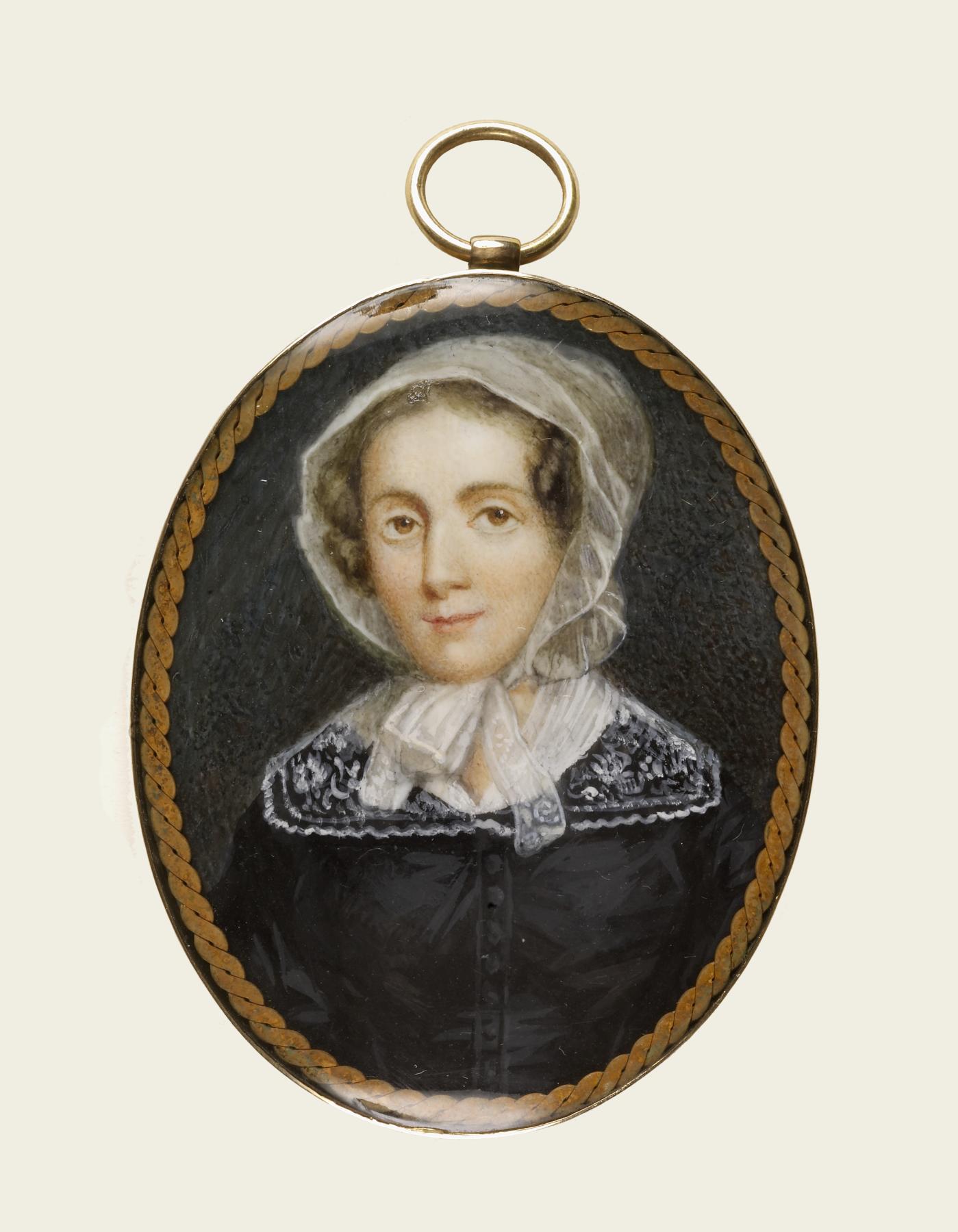
Lucretia Hart Clay
Henry Clay's long-suffering wife
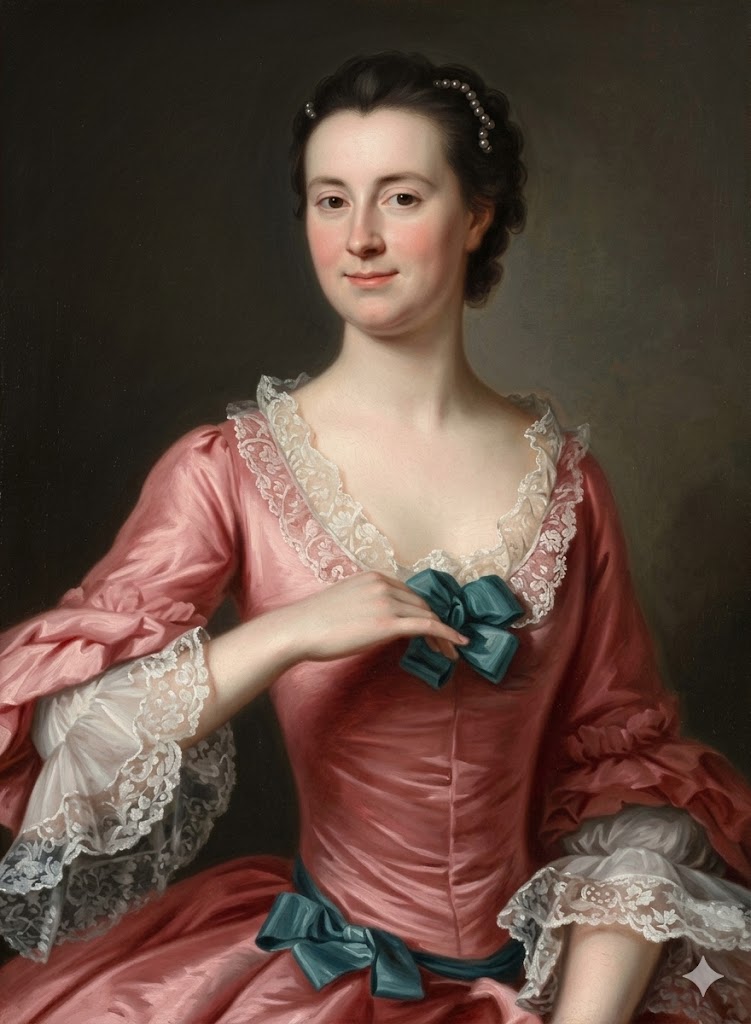
Lucy Flucker Knox
Henry Knox's wife — who sewed cannon blueprints into her coat to smuggle them out of Boston
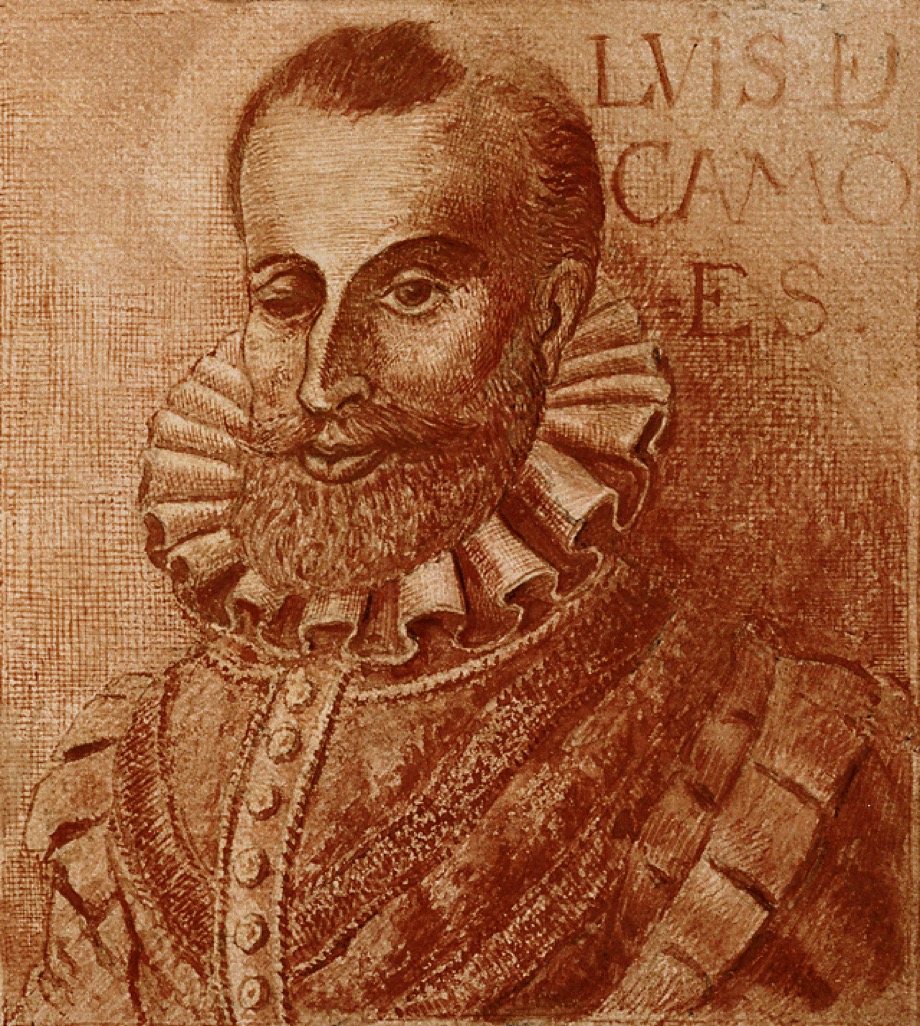
Luís de Camões
renownThe one-eyed poet who swam ashore holding his epic, and wrote the empire's greatest objection into its greatest praise.
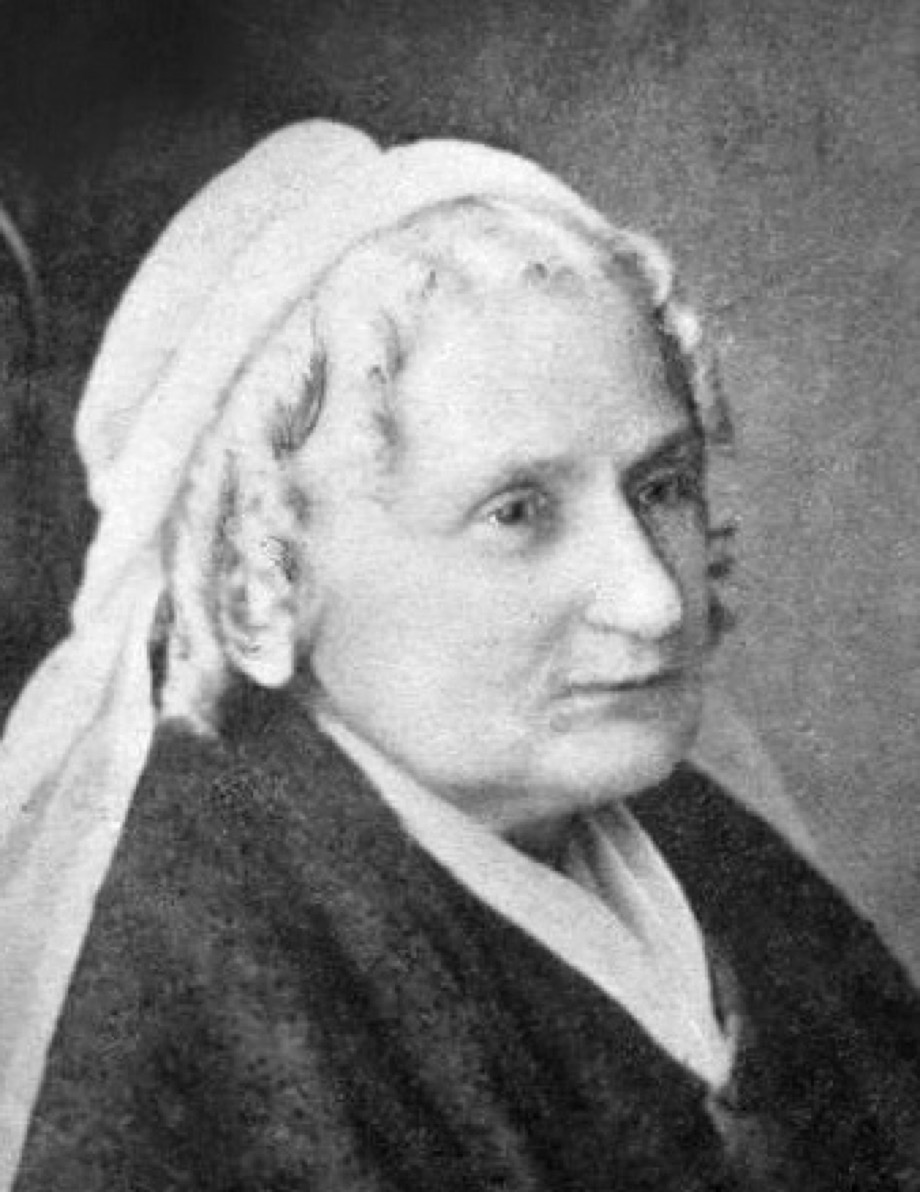
Mary Anna Custis Lee
obscureRobert E. Lee's wife, who fled Arlington as it became a Union cemetery and never got it back
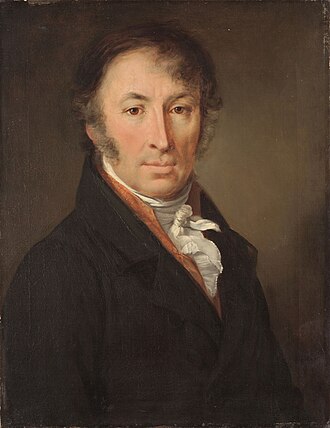
Nikolai Karamzin
notableRussia's first great historian and sentimentalist writer — the author of Poor Liza and the twelve-volume History of the Russian State.
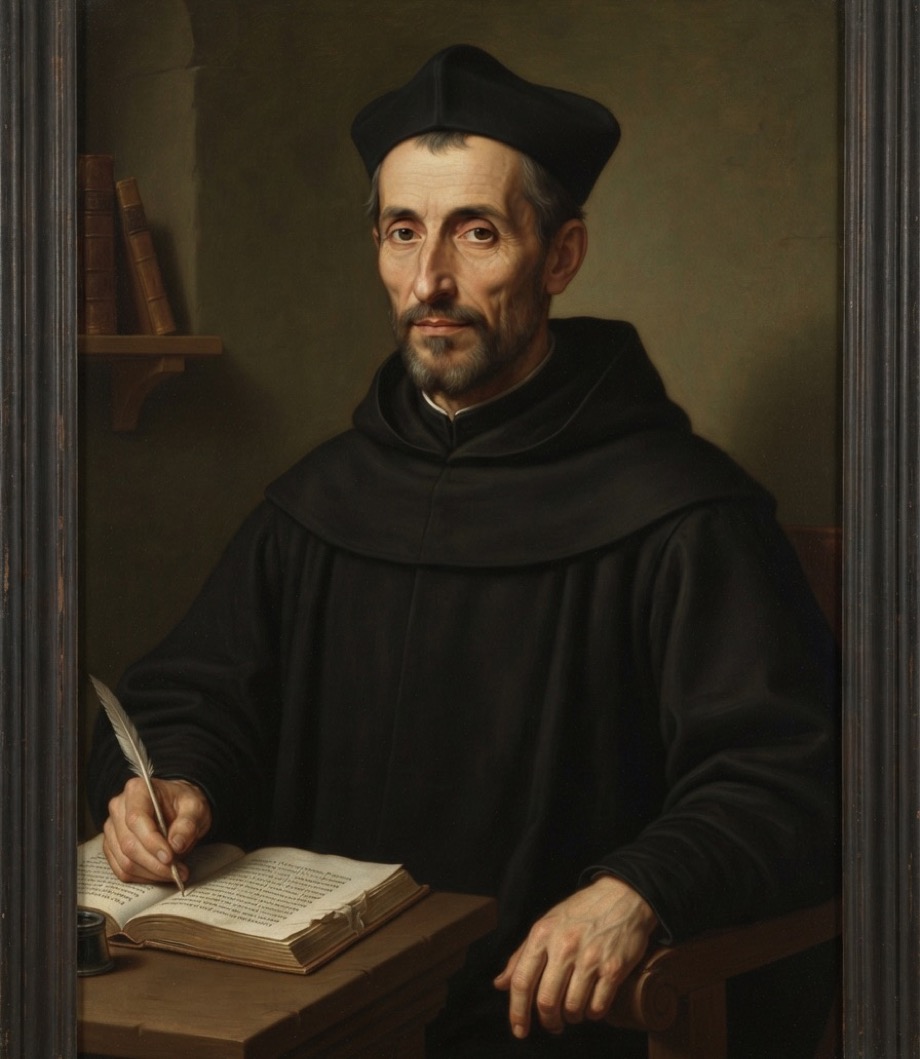
Peter Martyr d'Anghiera
obscureThe court chronicler who coined "New World" before anyone agreed what to call it.
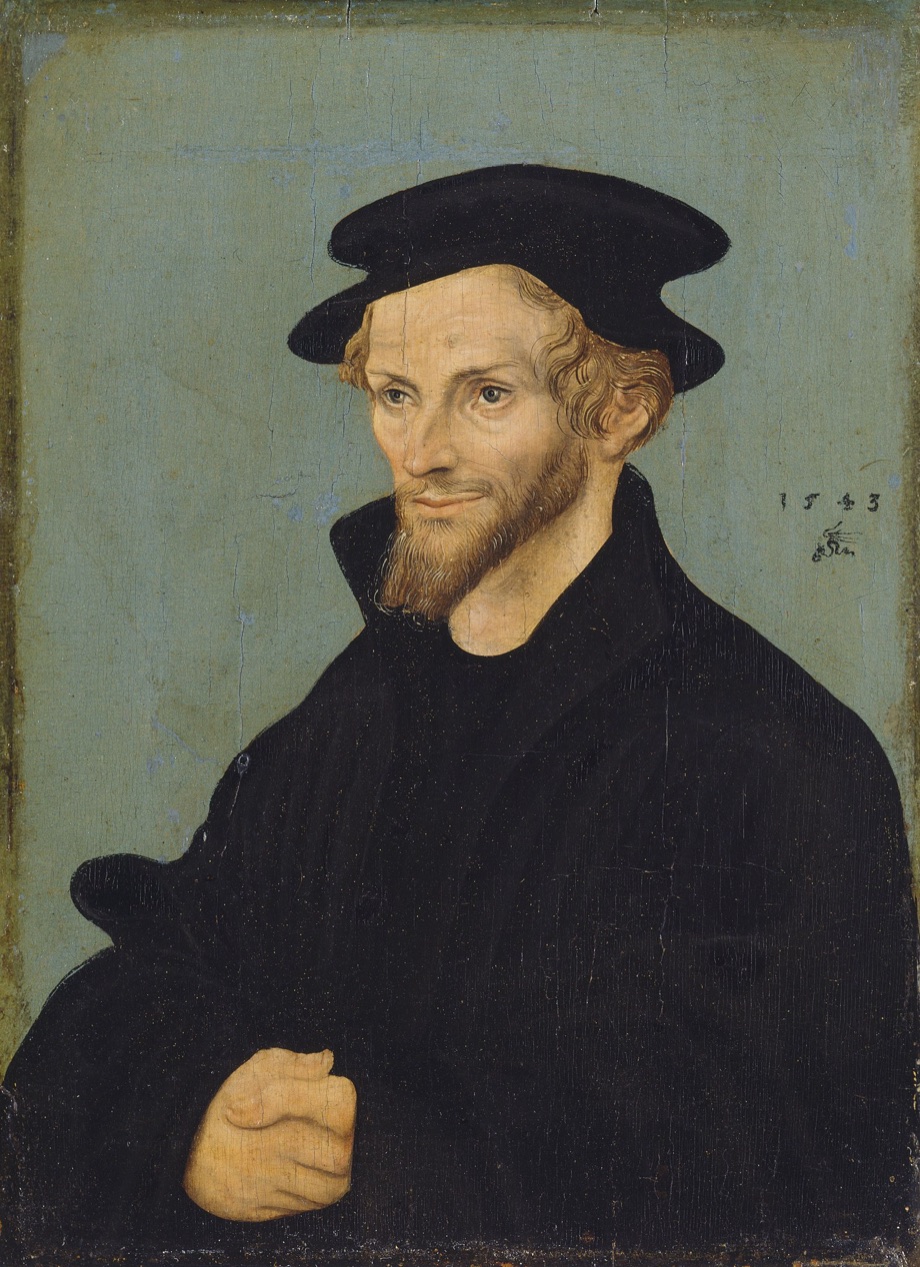
Philip Melanchthon
renownLuther's gentle colleague, who gave the Reformation a system and ached for a peace the age would not allow — the tender idealist INFP.
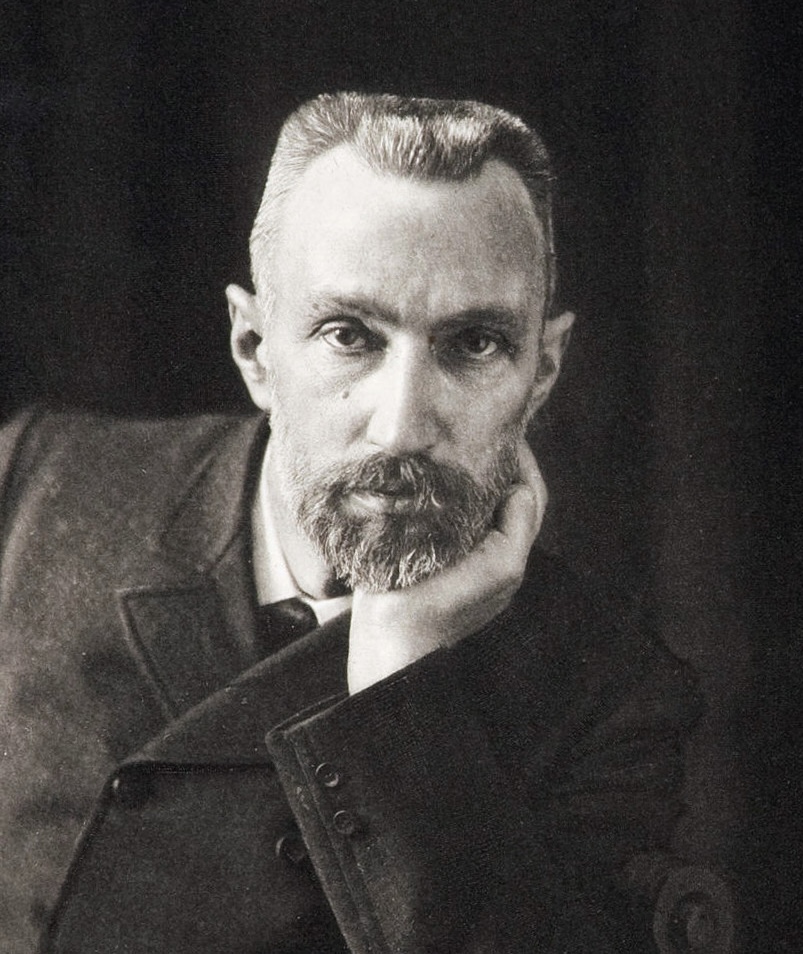
Pierre Curie
renownMarie Curie's husband and partner — killed by a horse cart at 46
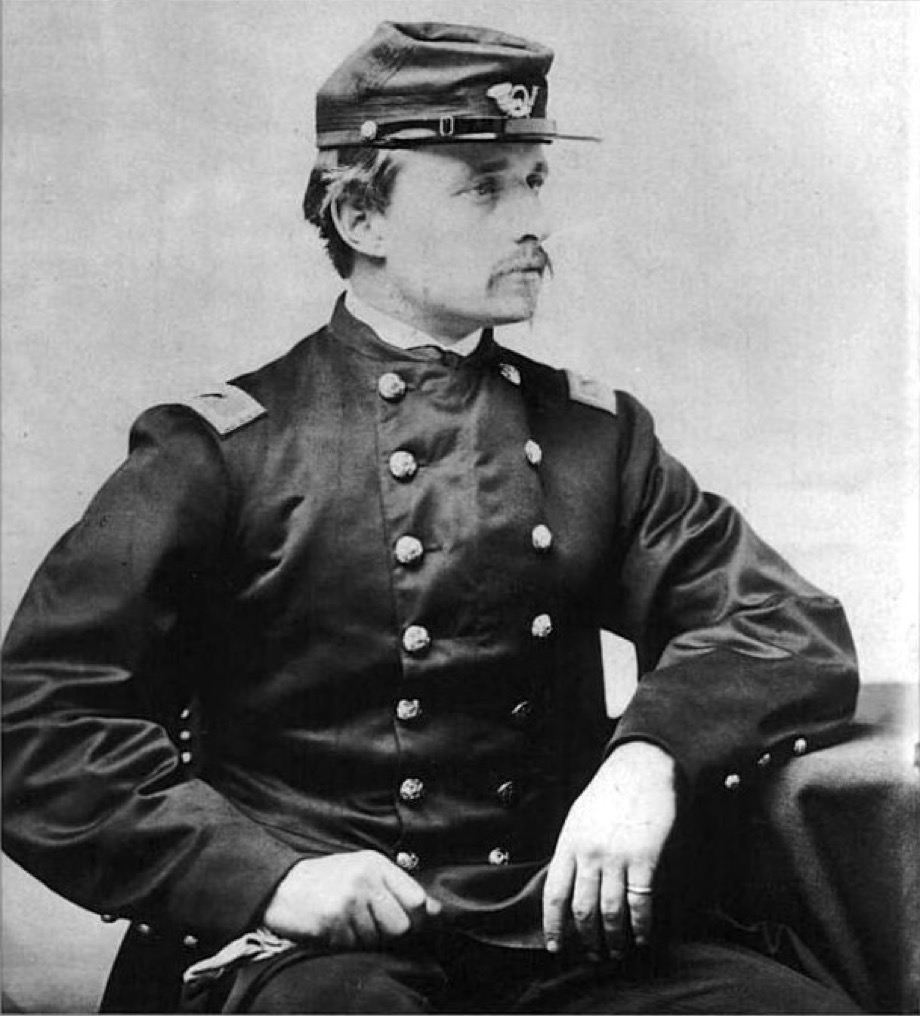
Robert Gould Shaw
notableThe Boston abolitionist's son who led the 54th Massachusetts into the fire at Fort Wagner
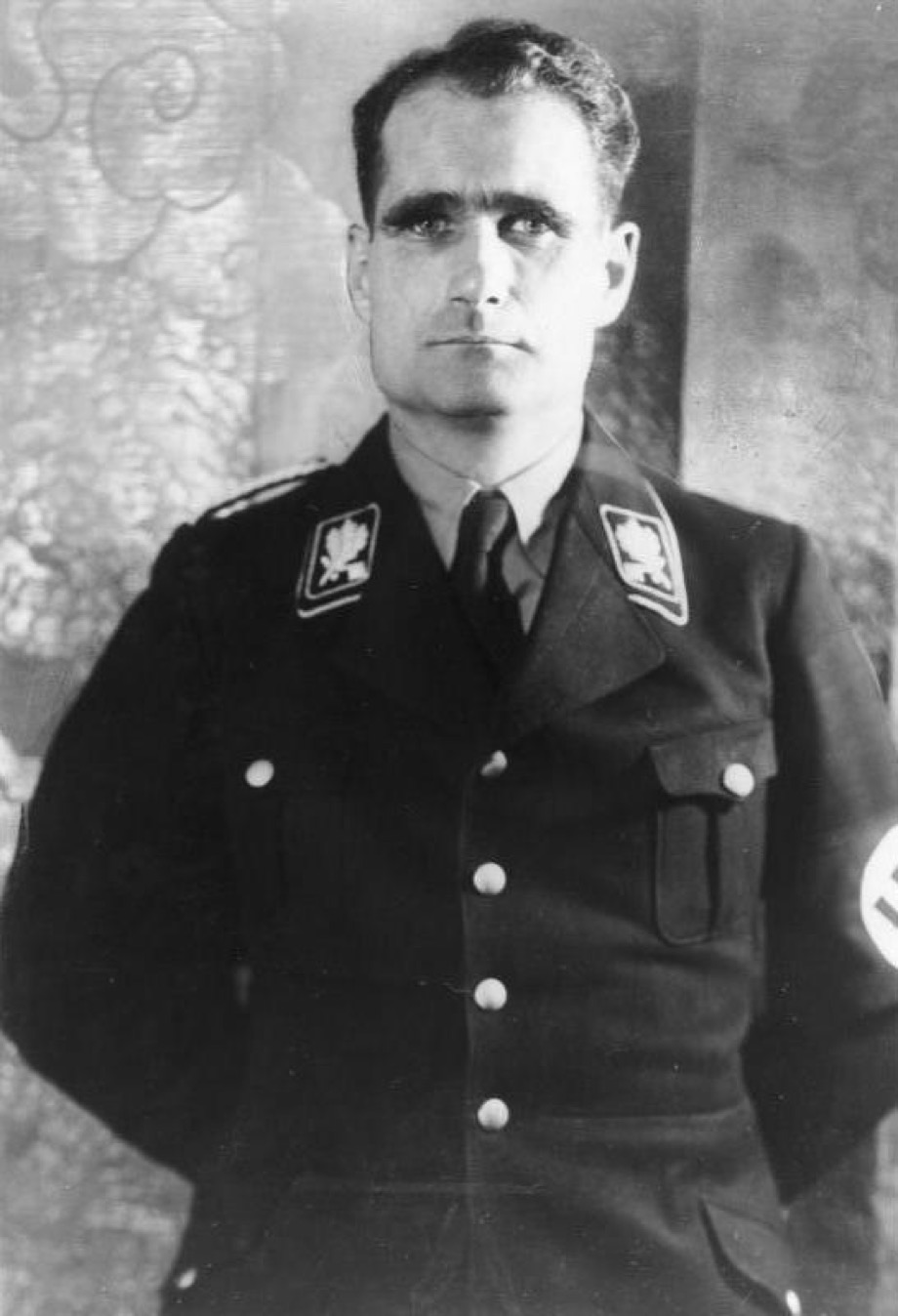
Rudolf Hess
notableThe deputy Führer whose solo 1941 flight to Scotland was a peace mission no one had authorized.
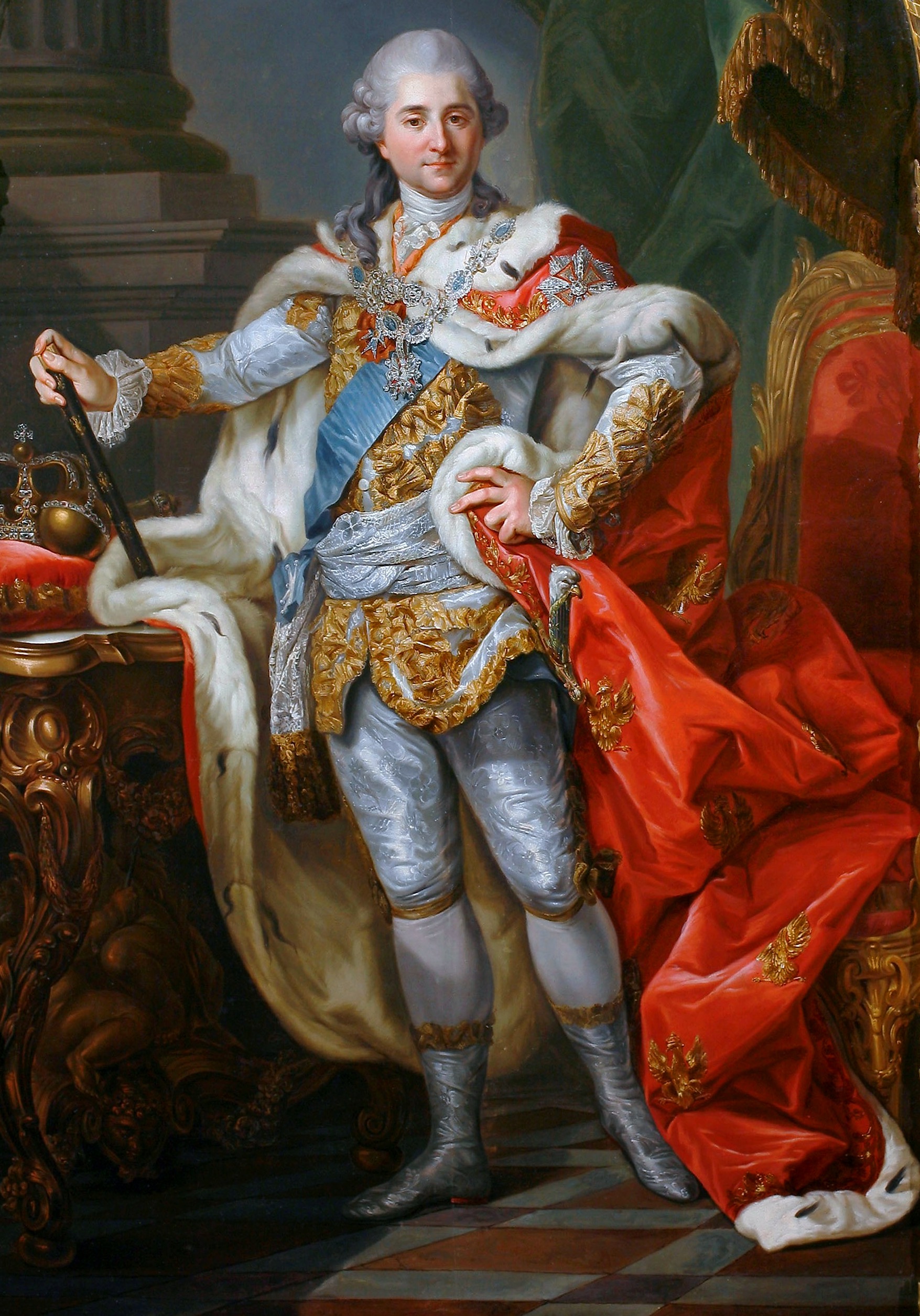
Stanisław Poniatowski
notableThe cultured last king of Poland — an INFP who could imagine a reborn nation but lacked the will to save it from partition.
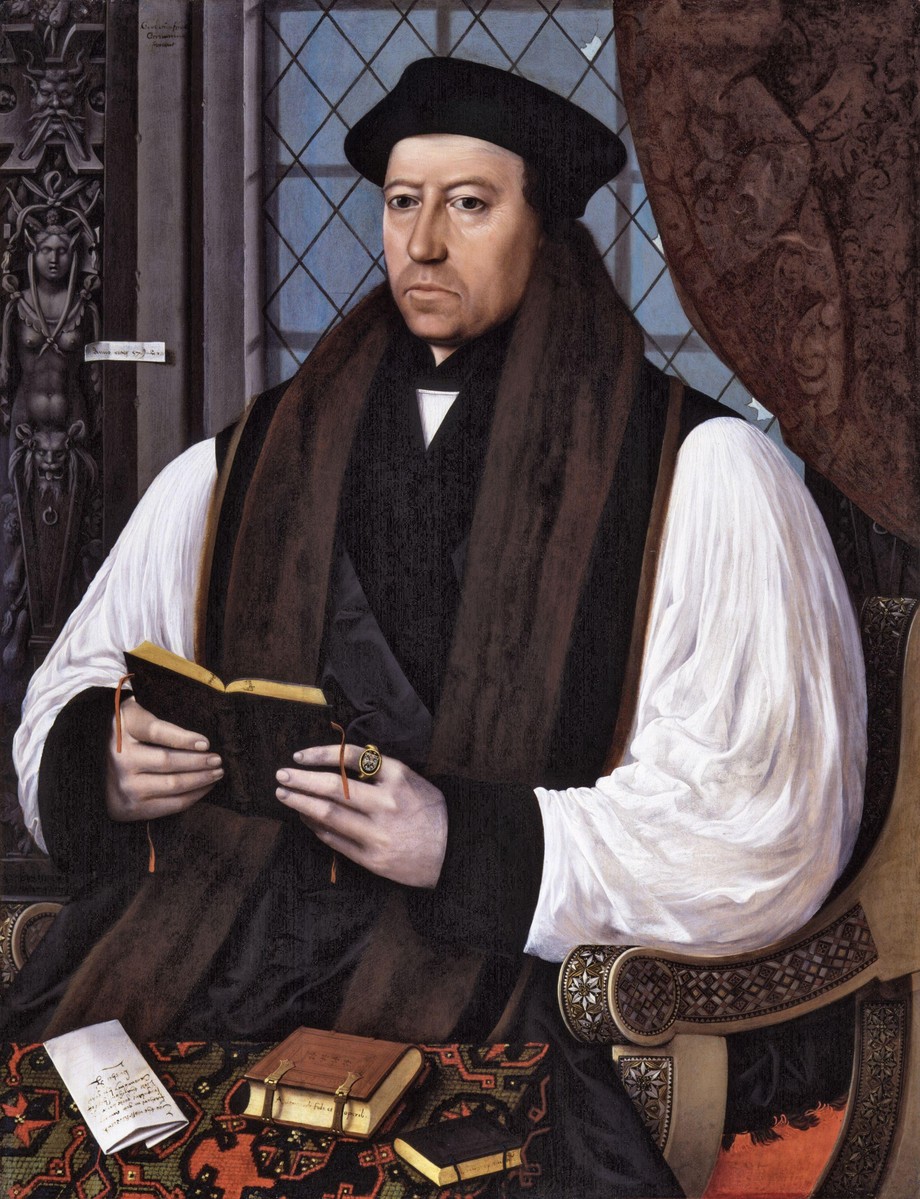
Thomas Cranmer
notableThe INFP architect of English Protestantism and the Book of Common Prayer, whose hand in the fire outlasted his own recantation
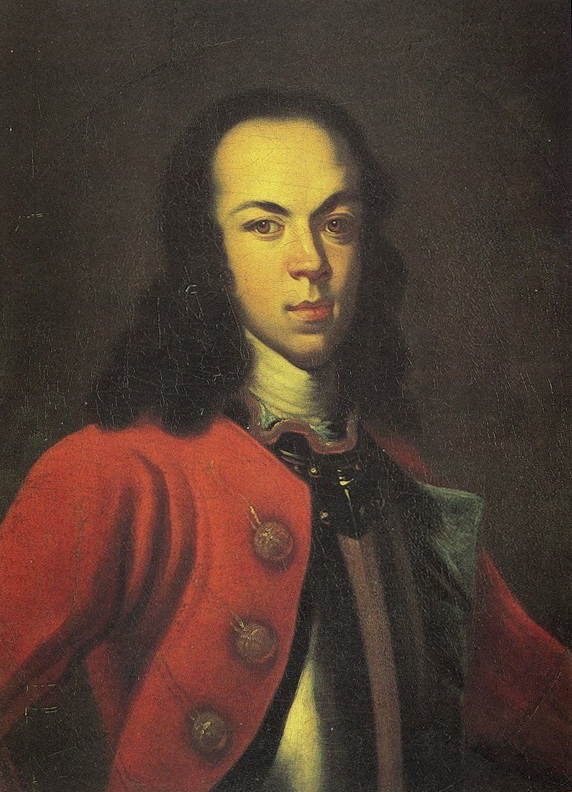
Tsarevich Alexei Petrovich
notablePeter the Great's son — executed by his own father
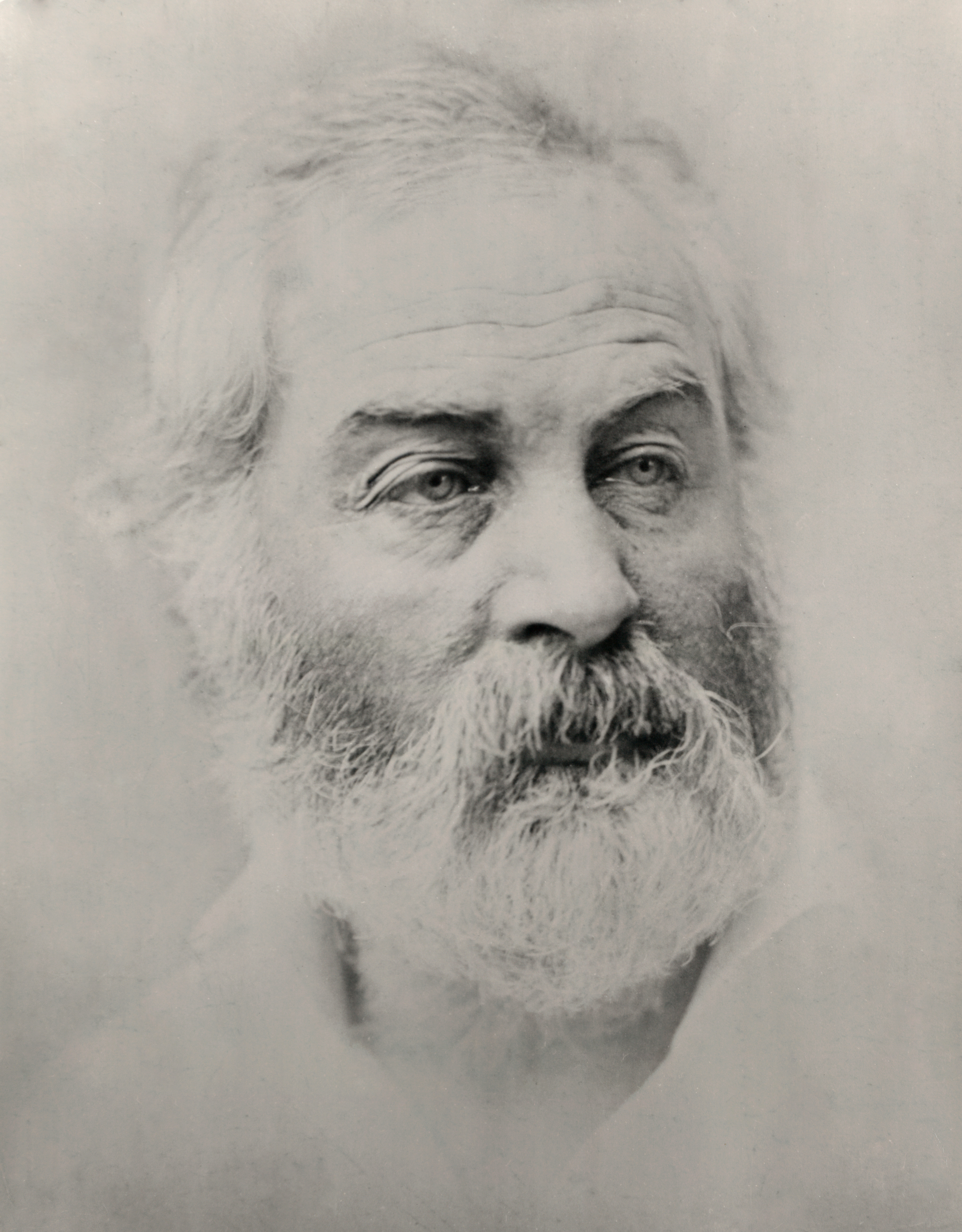
Walt Whitman
The poet who dressed the Union's wounds and mourned its president
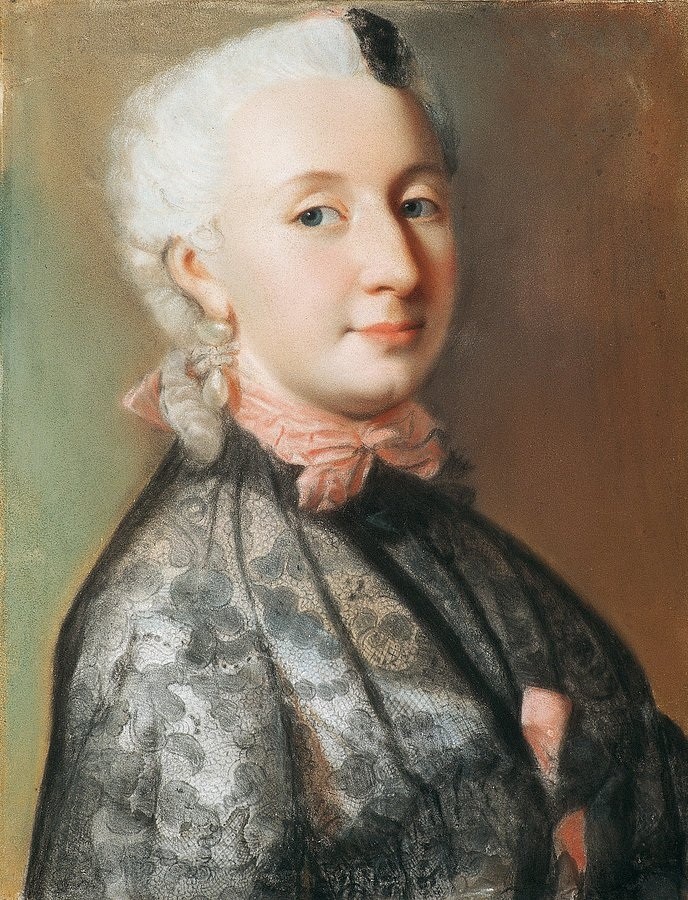
Wilhelmine of Bayreuth
notableFrederick the Great's beloved sister — a melancholic INFP whose guarded depth built Bayreuth's opera house and her candid Mémoires
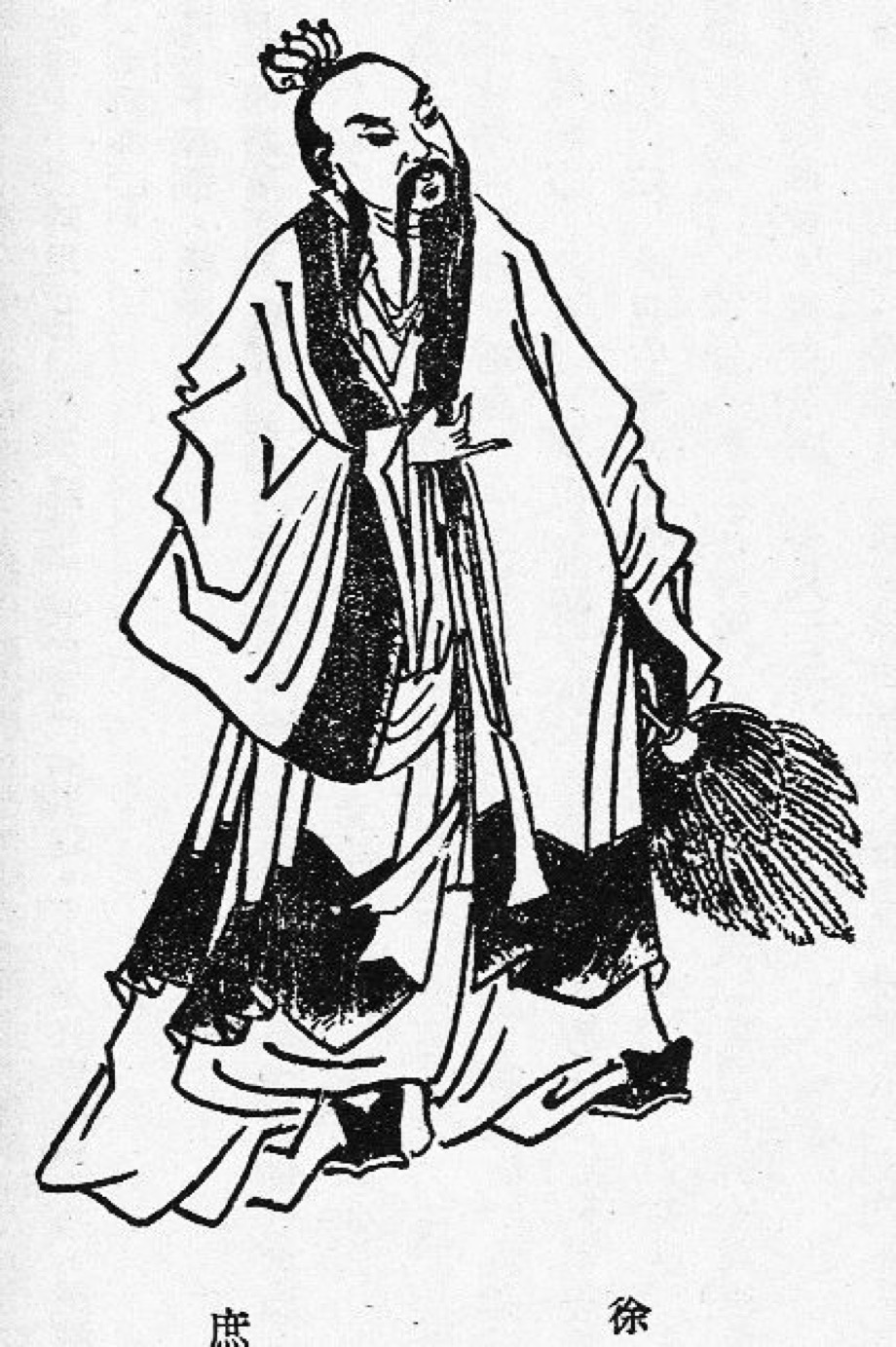
Xu Shu
obscureThe advisor who left Liu Bei to save his mother and never spoke again.
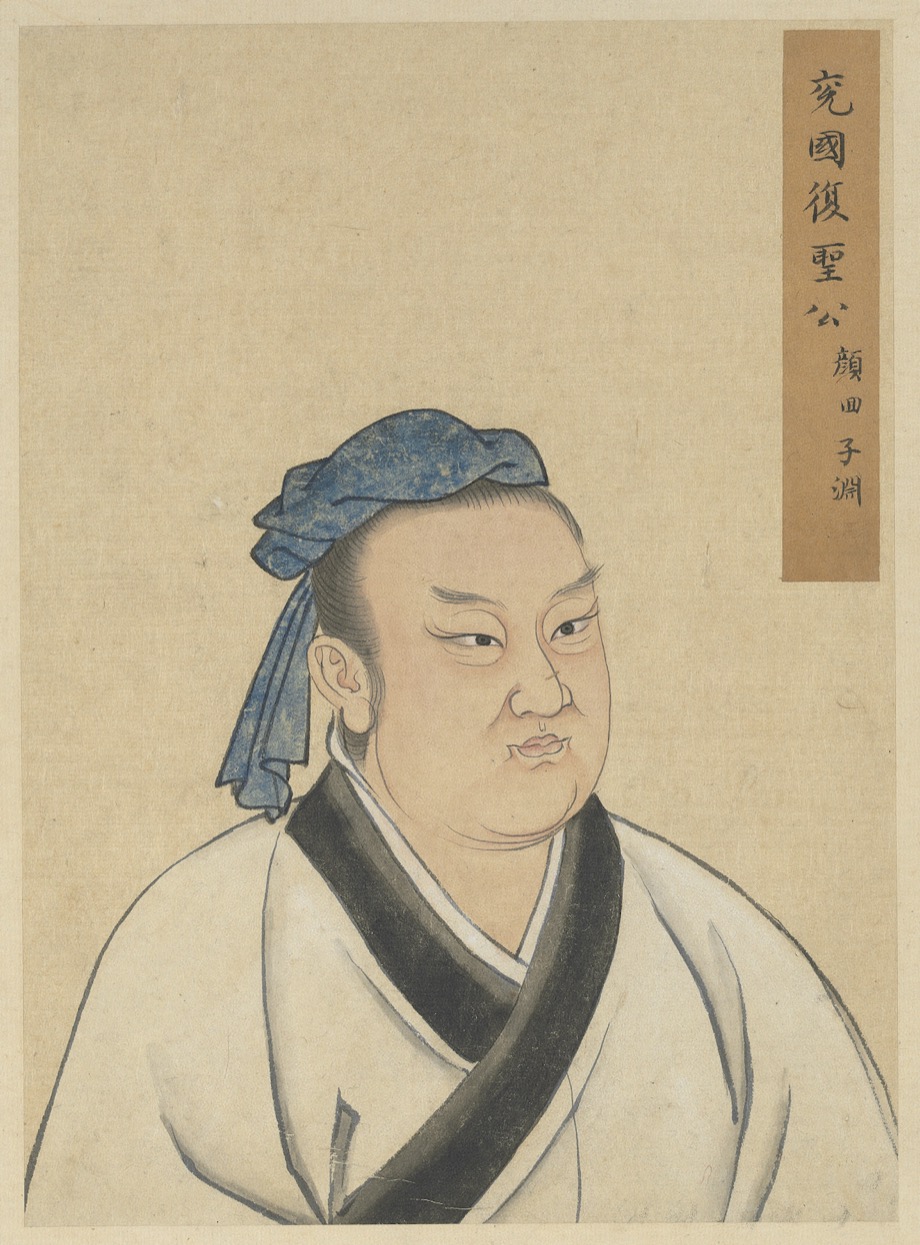
Yan Hui
notableConfucius's favorite disciple, content on a bowl of rice and a gourd of water.
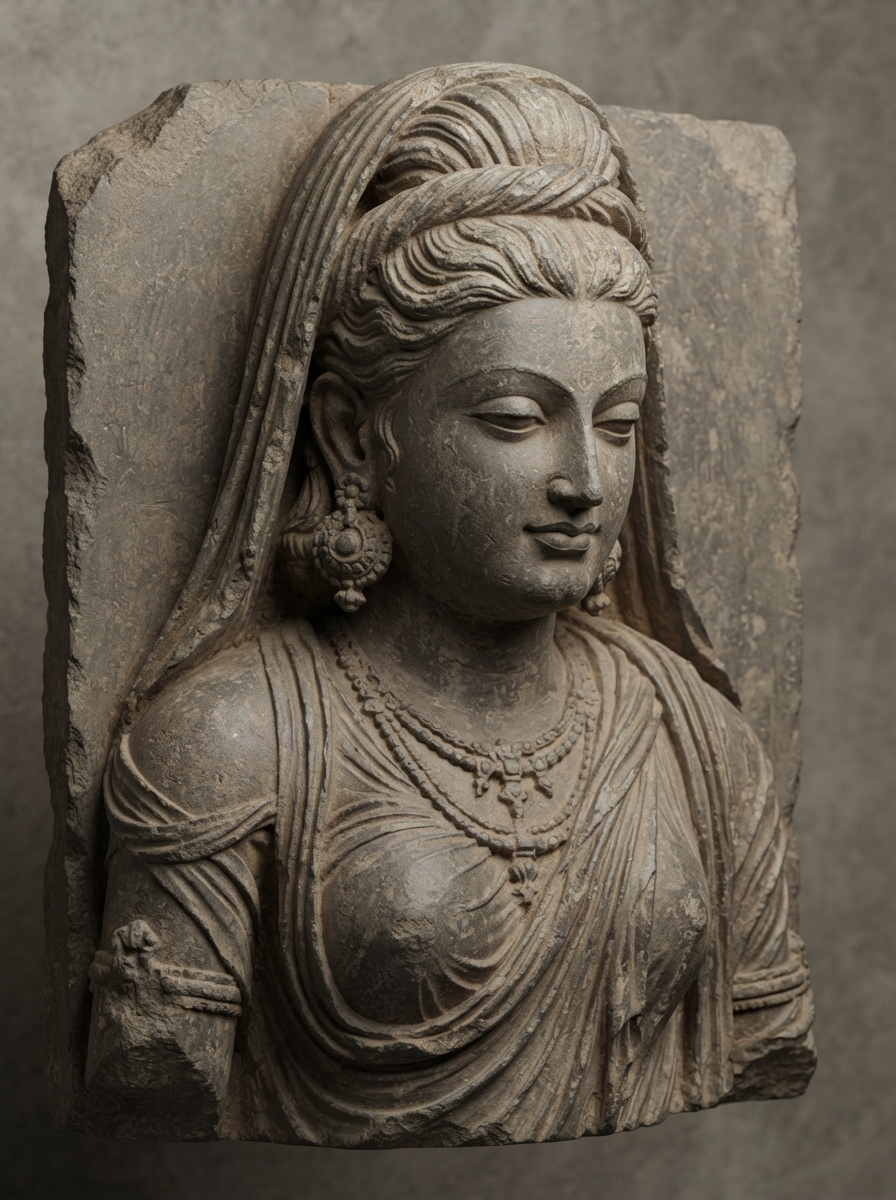
Yasodhara
notableThe wife left behind who later found enlightenment of her own.
Explore Other Types
