 Historical Figure MBTI
3 min read
#91 · 3-5-26 · The Founding Generation of USA
Stephen Van Rensselaer III
American landowner, statesman, and philanthropist; eighth patroon of the vast Rensselaerswyck estate.
1764 — 1839
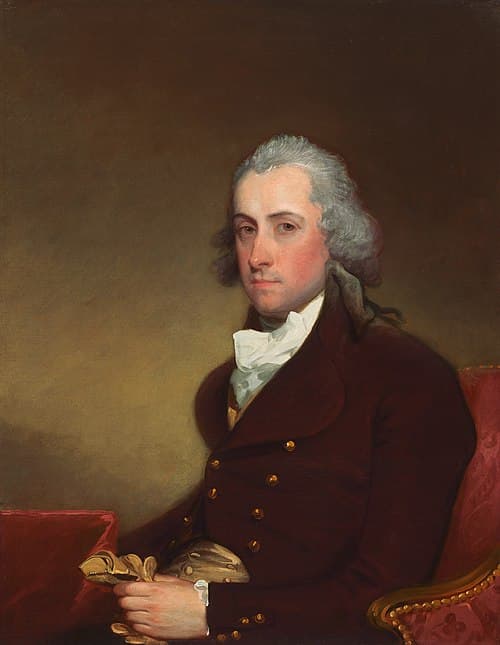
Portrait of Stephen Van Rensselaer III.
The Benevolent Steward of Rensselaerswyck
Born in 1764 in New York, Stephen Van Rensselaer III inherited one of the largest landed estates in North America at a remarkably young age. When his father died in 1769, Stephen became the heir to the patroonship of Rensselaerswyck, a vast semi-feudal estate that encompassed hundreds of thousands of acres across the Hudson River Valley.
Rather than approaching this position with aristocratic distance, Stephen developed a reputation for quiet responsibility and generosity toward the people who lived on his lands. Over time he became widely known by a nickname that captured how contemporaries perceived his leadership: The Good Patroon.
Instead of enforcing strict rent collection or using his legal authority aggressively, Van Rensselaer frequently allowed tenants extra time to pay, forgave debts during difficult periods, and maintained a paternal sense of responsibility toward the community living on his estate. In 1824 he founded the institution that would later become Rensselaer Polytechnic Institute, one of the earliest technical schools in the United States, believing that knowledge should serve the community.
That's the ISFJ signature: Si stewardship paired with Fe care — not the conqueror or the visionary, but the one who made sure everyone was taken care of.
He served in the New York State Assembly, the New York State Senate, and the United States House of Representatives because he believed it was his responsibility to contribute to the stability of the community and state around him.
Si — Dominant
Van Rensselaer's life was deeply shaped by dominant Si.
He inherited a centuries-old estate and treated its traditions and responsibilities with great seriousness. Instead of dismantling the system or radically transforming it, he sought to preserve its stability while ensuring the well-being of those who lived within it. His leadership was rooted in continuity — the estate, its tenants, and its traditions formed a social structure that he viewed himself as responsible for maintaining.
Fe — Auxiliary
Supporting this sense of stewardship was strong auxiliary Fe.
Van Rensselaer's reputation for generosity toward tenants and his philanthropic efforts in education reflect a deep concern for the welfare of others. His actions consistently suggest a desire to improve the well-being of the community rather than to maximize personal power or wealth. This people-oriented sense of duty helped shape his legacy as a benevolent landlord and civic leader.
Ti — Tertiary
Though not remembered as a philosophical writer or theorist, Van Rensselaer demonstrated a thoughtful approach to practical improvement through his support for scientific education.
The founding of Rensselaer Polytechnic Institute reflected an interest in applying knowledge to real-world problems, suggesting the influence of tertiary Ti working quietly behind his sense of civic responsibility.
Ne — Inferior
Unlike many figures of the revolutionary generation who sought dramatic political transformation, Van Rensselaer showed little interest in radical change or sweeping visions of the future.
His focus remained grounded in maintaining the systems he inherited and improving them gradually over time. This cautious relationship to large-scale innovation reflects inferior Ne.
Connected Figures
Further Reading
- Alexander Hamilton — Ron ChernowCovers the Schuyler family Van Rensselaer married into when he wed Peggy Schuyler in 1783.
- What Hath God Wrought: The Transformation of America, 1815-1848 — Daniel Walker HoweSituates Van Rensselaer's long public career, which ran deep into the nineteenth century as patroon and politician.
- Founding Brothers: The Revolutionary Generation — Joseph J. EllisGeneral context for the New York political world Van Rensselaer shared with contemporaries like Aaron Burr.
- Founding Mothers: The Women Who Raised Our Nation — Cokie RobertsCovers the Schuyler sisters, including Peggy and Catherine, whose intertwined marriages built the Van Rensselaer-Schuyler alliance.
