 Historical Figure MBTI
3 min read
#78 · 2-28-26 · The Founding Generation of USA
Martha Manning Laurens
Revolutionary-era widow, mother, and quiet steward of a fallen patriot’s legacy.
1757 — 1781
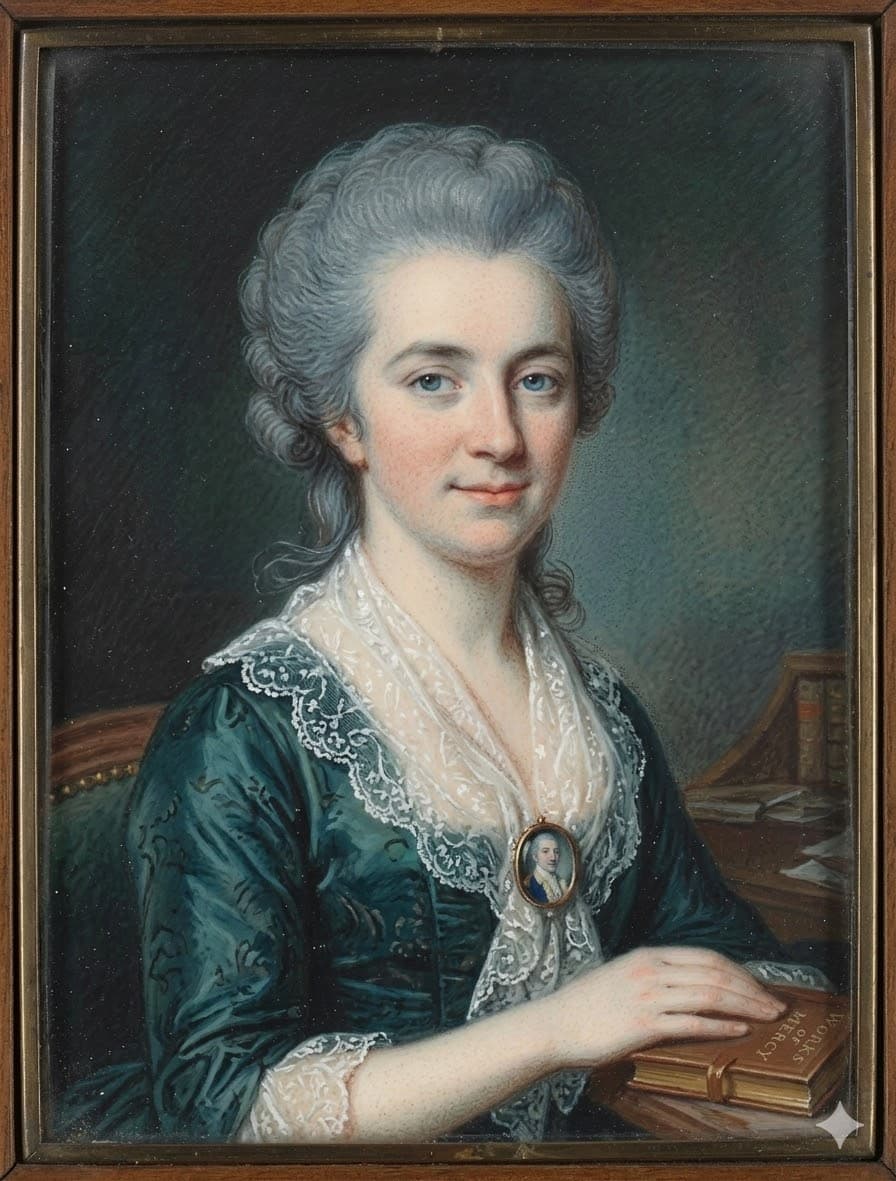
Portrait of Martha Manning Laurens.
The Life Behind the Revolution
Born into a prominent South Carolina family, Martha Manning Laurens lived at the intersection of privilege and upheaval during the American Revolution. In 1776 she married John Laurens, the passionate young officer and abolitionist who served in the Continental Army.
Their marriage, however, unfolded largely in absence. Laurens spent most of the war away on military duty, serving alongside figures such as George Washington and maintaining a close friendship with Alexander Hamilton.
Martha remained in South Carolina, managing domestic life amid the uncertainty of wartime.
When John Laurens was killed in 1782 at the age of twenty-seven, she was left a young widow with their daughter to raise. Her life thereafter unfolded largely outside the public record, centered on family, stability, and the preservation of memory.
In the grand narratives of the Revolution, her role was not dramatic.
It was sustaining.
The Psychological Verdict
Because Martha Manning Laurens left few surviving writings, personality reconstruction must rely on contextual evidence rather than direct documentation. What the historical record does reveal is a life oriented toward duty, family responsibility, and social stability.
These patterns align most closely with ISFJ.
Where her husband pursued ideals on the battlefield, Martha’s world revolved around continuity: maintaining the household during wartime, raising their child after his death, and navigating the expectations of elite southern society.
Her contribution was quiet but essential — the preservation of life and family in the wake of revolution.
Si — dominant
Martha’s life reflects a strong orientation toward continuity and responsibility. Rather than seeking public influence, she fulfilled the traditional roles expected of women in her social world, ensuring the stability of family life amid political upheaval.
This grounded focus on duty and preservation is characteristic of dominant Si.
Fe — auxiliary
As a member of Charleston’s elite society, Martha’s life was embedded in a network of family obligations and social expectations. Her responsibilities required attentiveness to relationships and community norms — hallmarks of Fe.
Her influence operated quietly through care, presence, and loyalty rather than public leadership.
Why not ESFJ?
While ESFJ is possible, Martha’s historical footprint suggests a more private temperament. She does not appear in the record as a social organizer or public personality. Instead, her life after Laurens’ death unfolded in relative quiet.
This pattern aligns more closely with the reserved stewardship typical of ISFJ.
The Laurens Legacy
Within the Laurens family, Martha’s role contrasts sharply with the dramatic life of John Laurens, whose revolutionary idealism burned brightly but briefly.
If Laurens embodied the passion of the Revolution, Martha represented its aftermath — the steady work of preserving family and memory once the battles were over.
The revolution claimed the soldier.
She carried forward the life he left behind.
Connected Figures
Further Reading
- John Laurens and the American Revolution — Gregory D. MasseyTraces John Laurens's wartime absence from Martha and the marriage he barely lived to see continue.
- Alexander Hamilton — Ron ChernowCovers Hamilton's close friendship with John Laurens, the world that kept Martha's husband away from home.
- Liberty's Daughters: The Revolutionary Experience of American Women, 1750-1800 — Mary Beth NortonContext for a young wife like Martha raising a daughter alone through a husband's wartime service and death.
