 Historical Figure MBTI
5 min read
#83 · 3-2-26 · The Founding Generation of USA
Hercules Mulligan
Irish-American tailor, merchant, and covert intelligence operative during the American Revolution.
1740 — 1825
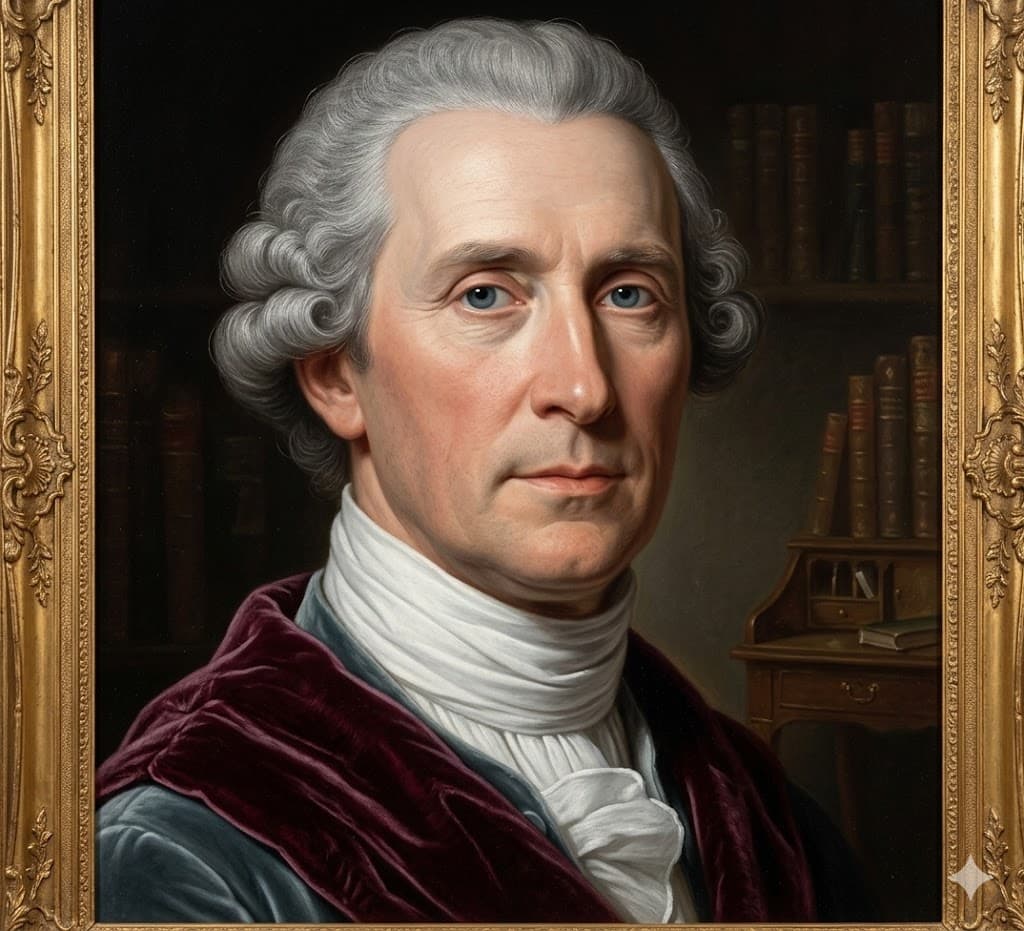
Ai-assisted Portrait of Hercules Mulligan.
The Spy in Plain Sight
Born in 1740 in Ireland, Hercules Mulligan immigrated to New York as a child and grew up in a colonial city that would soon become one of the most important strategic centers of the American Revolution.
Unlike many of the famous revolutionary leaders who came from elite political or military backgrounds, Mulligan’s path began in trade.
He became a successful tailor in New York City, operating a shop that catered to wealthy merchants, officers, and members of British society. His business placed him at the center of social life in a city that would soon become occupied by British forces.
This position would eventually make him one of the most valuable intelligence assets in George Washington’s spy network.
Mulligan’s shop became an unlikely listening post. British officers who visited for uniforms and clothing often spoke openly about military plans, troop movements, and strategic operations. Mulligan quietly gathered this information and passed it along through Washington’s intelligence network, frequently using his enslaved assistant Cato as a courier.
On at least two occasions, intelligence provided by Mulligan is believed to have helped prevent British plans to capture Washington.
Unlike the generals and politicians who shaped the revolution publicly, Mulligan operated in the shadows — navigating dangerous social territory, maintaining the trust of British officers while secretly aiding the American cause.
His role required courage, improvisation, and the ability to read people in real time.
He was not the architect of the revolution.
He was the man who listened carefully while the enemy talked.
The Psychological Verdict
Mulligan is best understood as ESTP.
Historical descriptions consistently portray him as socially bold, charismatic, and highly adaptable. Rather than operating primarily through ideological writing or political theory, Mulligan’s contributions relied on real-time social maneuvering and tactical awareness.
His role as a spy required exactly the strengths associated with Se–Ti cognition: rapid perception of unfolding situations, quick decision-making, and practical reasoning under pressure.
Where many revolutionary figures were motivated primarily by political theory or philosophical ideals, Mulligan’s strengths lay in action and opportunistic intelligence gathering.
He worked within the moment.
Se — dominant
Mulligan’s greatest strength was his ability to operate effectively within dynamic, uncertain environments.
Running a tailor shop in British-occupied New York required constant interaction with soldiers, officers, and merchants. Mulligan used these interactions to gather valuable intelligence, paying attention to subtle details in conversation and behavior.
Dominant Se thrives in precisely these environments: situations where awareness of immediate reality and rapid response are essential.
Mulligan’s espionage activities depended not on long theoretical planning but on his ability to observe, improvise, and act quickly.
Ti — auxiliary
While Mulligan’s intelligence work relied heavily on social interaction, it also required careful judgment.
He needed to determine: which information was valuable, when it could be safely transmitted, and how to avoid suspicion.
This kind of tactical reasoning reflects Ti: internal analysis applied to practical problems. Mulligan did not gather information randomly. He filtered and interpreted what he heard, ensuring that only useful intelligence reached Washington’s network.
Fe — tertiary
Mulligan’s success as a spy depended heavily on his social abilities.
British officers trusted him and felt comfortable speaking openly in his shop. Maintaining this level of trust required the ability to navigate social expectations and present himself convincingly as a loyal subject of the British Crown.
This reflects Fe operating as a supporting function: an awareness of social dynamics that allowed Mulligan to maintain relationships even while secretly working against the very people he served.
Ni — inferior
Unlike many revolutionary thinkers who were motivated by sweeping ideological visions, Mulligan’s role focused on immediate circumstances rather than long-term political theory.
His actions were grounded in the present realities of the war rather than abstract speculation about the future.
This reflects inferior Ni — a relative lack of focus on long-range ideological vision compared to more intuitive revolutionary figures like Alexander Hamilton or Thomas Jefferson.
Mulligan’s strength was not imagining the future.
It was navigating the present.
The Revolutionary Network
The American Revolution was not driven by a single personality type. It required leaders, thinkers, soldiers, and operatives — each contributing different strengths.
Washington provided disciplined leadership. Hamilton helped build the institutions of the new republic. Lafayette carried the revolutionary spirit across the Atlantic.
And Mulligan worked quietly behind enemy lines, gathering the intelligence that helped keep the revolutionary leadership alive.
Revolutions need visionaries. But they also need people who know how to survive inside enemy territory.
Hercules Mulligan was one of them.
Connected Figures
Further Reading
- Washington's Spies: The Story of America's First Spy Ring — Alexander RoseThe definitive account of Washington's intelligence network — covers Mulligan's role in the broader espionage operation.
- Hercules Mulligan: Confidential Correspondent of General Washington — Michael J. O'BrienA focused study of Mulligan's intelligence activities and his relationship with Washington's headquarters.
- Alexander Hamilton — Ron ChernowThe comprehensive Hamilton biography that depicts Mulligan's friendship with Hamilton and his recruitment into the revolutionary cause.
